
Description
Isodon umbrosus is a perennial herb belonging to the Lamiaceae family. Known for its medicinal properties, this species is gaining attention as an agricultural crop, particularly for the pharmaceutical industry, due to its specialized profile of bioactive diterpenoids found throughout its foliage and roots.
The plant originates from East Asia, primarily inhabiting shaded, moist forest environments in Japan and neighboring regions. In terms of cultivation, it is classified as a shade-tolerant species, which requires specific microclimate management to ensure optimal growth and the accumulation of secondary metabolites required for commercial harvesting.
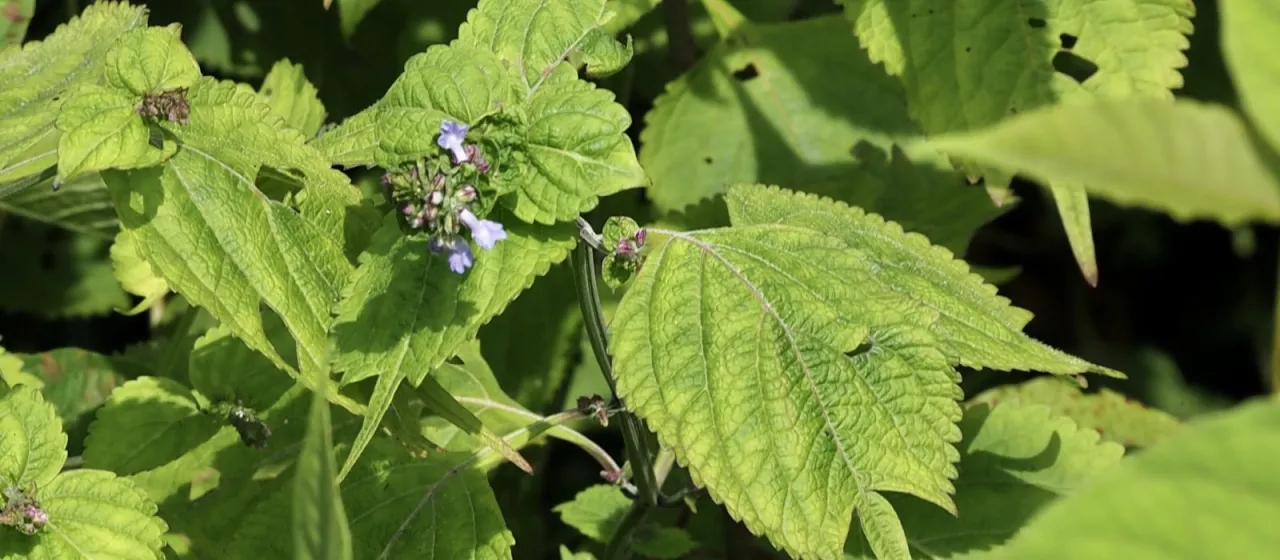
Botanically, it displays the typical traits of the genus, featuring square stems, opposite serrated leaves, and small, delicate flowers arranged in racemes. It develops a vigorous rhizome system that allows for efficient propagation and perennial survival, making it a reliable crop once established in suitable soil conditions.
Agricultural requirements focus on well-drained, nutrient-rich soils with consistent moisture levels. Growers must prioritize site selection, opting for areas with dappled sunlight or artificial shading. Proper maintenance involves mulching to stabilize soil temperature, regular weeding, and a structured irrigation schedule to prevent drought stress.
The primary economic use of Isodon umbrosus lies in the production of herbal extracts used for anti-inflammatory and antioxidant applications. As the demand for natural active compounds in cosmetics and pharmaceuticals grows, the cultivation of this species offers a niche opportunity for high-value agricultural production in specialized herbal farms.
- Susceptible to powdery mildew in high-humidity conditions.
- Root rot can occur if soil drainage is insufficient.
- Common pests include slugs and aphids during the juvenile stage.
- Harvesting should be timed to coincide with peak flowering for maximum yield.