
Description
Ixeris japonica is a perennial herbaceous plant belonging to the Asteraceae family. Commonly recognized for its milky sap and rosette-forming leaves, it is a plant with significant historical use in Asian traditional practices. In contemporary agriculture, it is studied for its nutritional profile and potential as a commercial crop for functional food production.
The plant originates from East Asia, specifically Japan, China, and the Korean Peninsula. Its natural range encompasses diverse ecosystems, ranging from open meadows to disturbed soils along field edges. Due to its natural resilience, it is cultivated in regions with a temperate climate where the growing season allows for the full development of its vegetative parts and subsequent seed production.
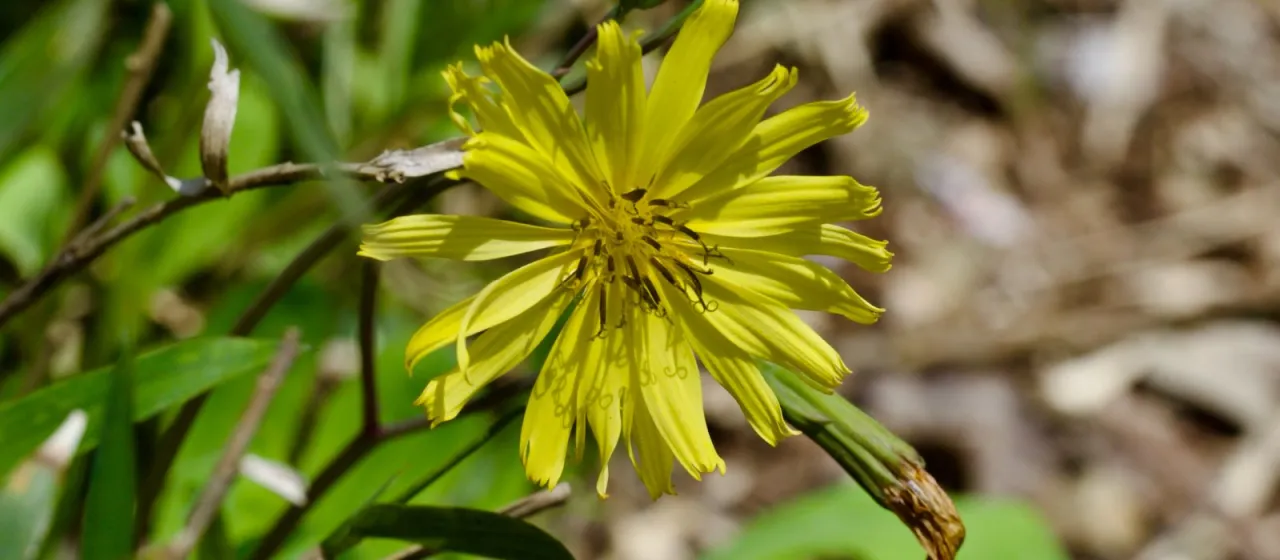
Botanically, it features a taproot system and an upright growth habit, usually reaching a height of 20 to 40 centimeters. The leaves vary in shape, often being lanceolate or spatulate, and are clustered near the base. The flowers are bright yellow, arranged in small capitula, characteristic of the Chicory tribe within the Asteraceae family. These structures are adapted for insect pollination, leading to the formation of small, wind-dispersed achenes.
Agronomic requirements for Ixeris japonica center on full sun exposure and well-draining, nutrient-rich soils. The plant thrives in loamy substrates with a near-neutral pH level. Efficient cultivation techniques involve
- proper soil preparation before seeding;
- consistent irrigation during the early growth stages;
- thinning of plants to prevent overcrowding.
The economic value of this crop lies in its dual-use nature as both a leafy green vegetable and a medicinal herb. It is valued for its antioxidant properties and presence of bioactive compounds. Typical crop protection strategies involve monitoring for aphid infestations and managing fungal pathogens such as powdery mildew, which can develop if aeration is insufficient and humidity levels remain consistently high.