
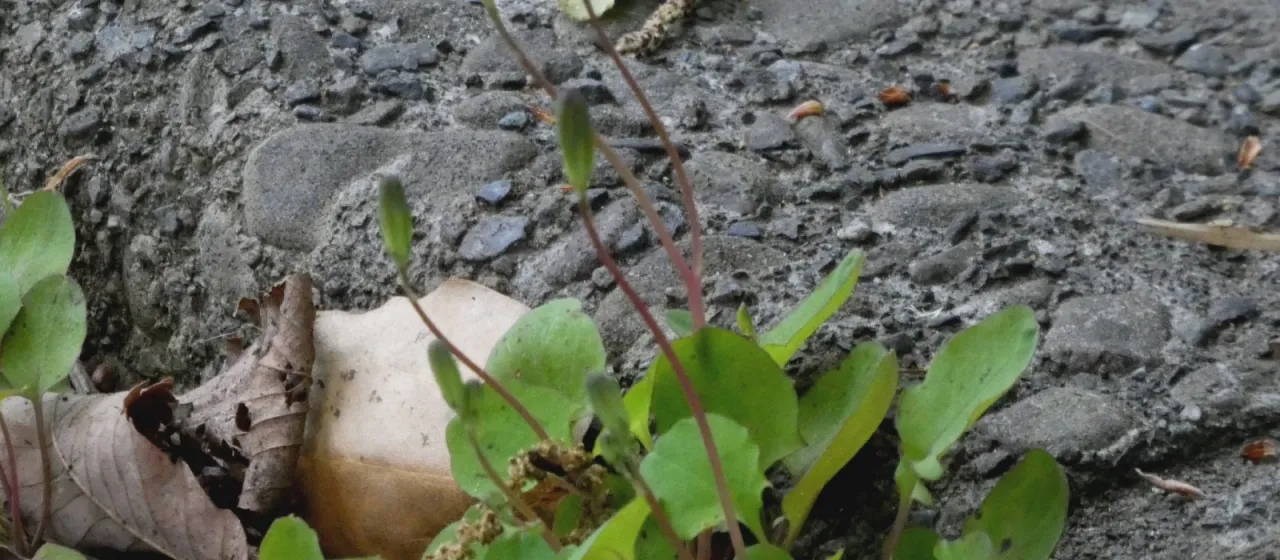
Description
Ixeris stolonifera is a perennial herbaceous plant belonging to the Asteraceae family. Known for its distinct growth pattern, the plant produces long, creeping stems called stolons, which allow it to spread horizontally across the ground effectively. This characteristic makes it a unique candidate for controlled cultivation as a ground-covering vegetable crop.
Native to East Asia, including Japan, Korea, and China, the plant typically inhabits moist meadows and the edges of wooded areas. Given its historical range, Ixeris stolonifera is well-adapted to temperate climates that provide consistent moisture throughout the growing season. Its expansion into agricultural settings is largely driven by its hardiness and nutritional profile.
The botanical structure of the plant features a basal rosette of leaves and a complex root system that supports its aggressive vegetative spread. The leaves are generally lanceolate to spatulate, providing a harvestable source of greens. Its flowers are characteristically yellow, borne on slender stalks, which contributes to its aesthetic appeal in addition to its functional agricultural value.
In terms of agricultural management, the plant thrives in loose, fertile soils with neutral to slightly acidic pH levels. It demands consistent soil moisture to maintain leaf quality and vigor. Effective cultivation involves careful weeding during the initial establishment phase, followed by minimal intervention once the stolons have formed a dense canopy, which naturally suppresses most competing weeds.
Economically, the plant is valued for its culinary uses in salads and traditional medicine in its native regions. When it comes to pests and diseases, the primary threats include mollusks, such as slugs, which favor the succulent leaves, and fungal pathogens that may develop in waterlogged soil. To minimize damage, growers should focus on proper drainage and ensuring adequate air circulation between plants.
- Rapid ground coverage via stolons
- High adaptation to moist soil environments
- Nutritional benefits as a leafy green
- Low-maintenance perennial system