
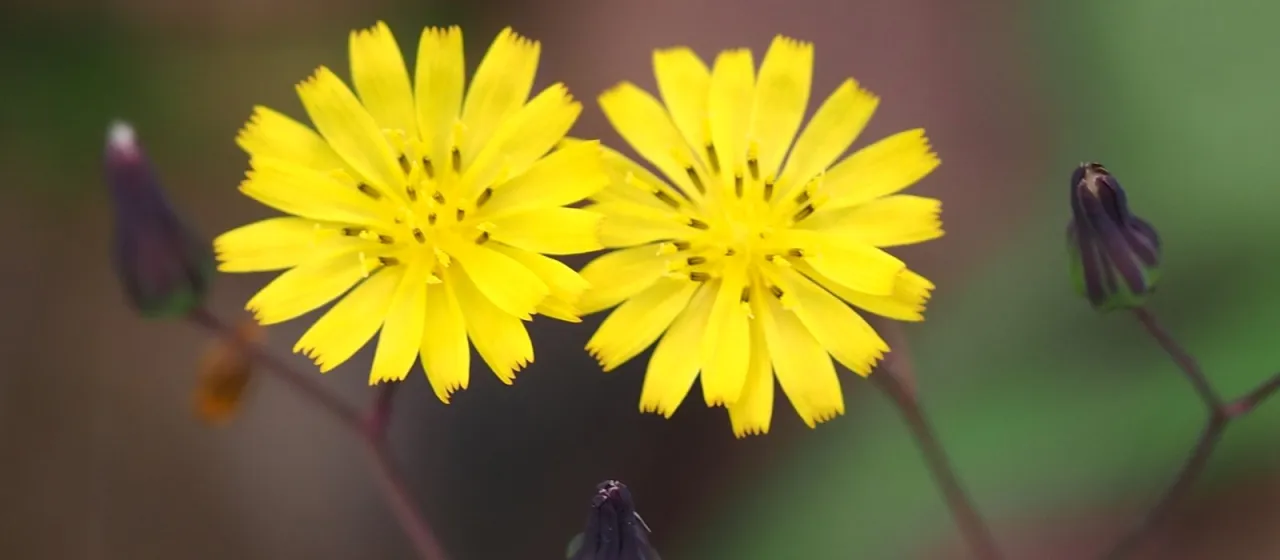
Description
Ixeris laevigata is a perennial herbaceous plant belonging to the Asteraceae family. Known for its adaptability and nutritional profile, this species is gaining attention in agricultural circles as a versatile crop. It is highly valued for its ability to thrive in various environments, making it a subject of interest for both researchers and commercial growers.
The plant originates from East Asia, where it is found in diverse habitats ranging from mountain meadows to forest edges. Its natural range demonstrates its robust nature, allowing it to acclimate to various temperate and subtropical climates. This geographical adaptability is a key factor for its potential introduction into new cultivation areas around the world.
Botanically, Ixeris laevigata is characterized by a dense rosette of basal leaves and upright flowering stems. The leaves are notably smooth, which serves as a distinguishing feature from other related species. The plant produces typical composite flower heads that contribute to its reproductive success through efficient seed dispersal mechanisms common in the Asteraceae family.
When it comes to agronomy, the crop requires well-drained soil and adequate exposure to sunlight to reach its maximum productivity. It prefers sandy loam soils with a neutral pH. Proper soil preparation, including the application of compost or balanced fertilizers, is essential during the early stages of growth to establish a strong, healthy root system capable of supporting vigorous vegetative development.
- Excellent tolerance to varying light conditions.
- High biomass production potential under optimal irrigation.
- Resilience against minor frost and temperature fluctuations.
- Strong rooting system preventing soil erosion in slope cultivation.
In terms of хозяйственное (economic) use, Ixeris laevigata is explored for its fodder qualities and medicinal properties. Compounds extracted from the plant have shown efficacy in various traditional health applications. Furthermore, in some regions, tender shoots are harvested for human consumption, contributing to its role as a multipurpose crop in sustainable agricultural systems.
The main pests and diseases affecting this culture include fungal infections like powdery mildew, particularly when airflow is restricted in dense plantings. Pests such as aphids and spider mites can be problematic during dry, hot spells. Integrated pest management strategies, emphasizing consistent monitoring and early intervention, are recommended to maintain crop health and ensure high-quality yields throughout the season.