
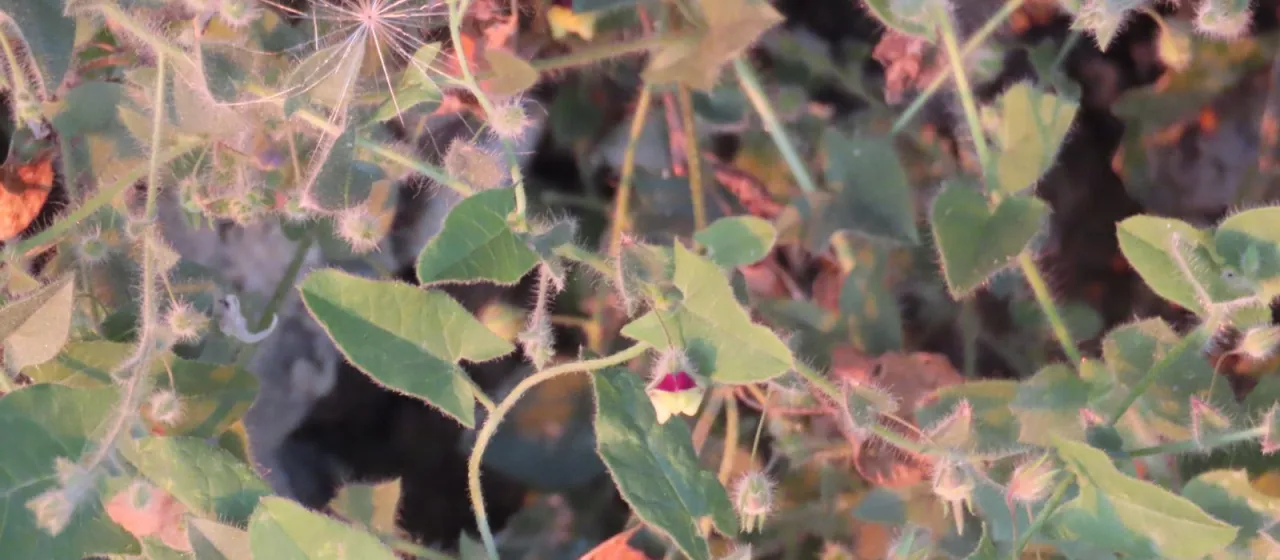
Description
Kickxia caucasica, a member of the Plantaginaceae family, is an herbaceous plant species that holds significant interest for botanical and agricultural studies. Native to the mountainous regions of the Caucasus, this plant has adapted to survive in challenging environments, often thriving in rocky or nutrient-poor substrates where other crops might struggle to establish.
The geographic range and climatic adaptation of this species are closely tied to its mountain origins. It prefers sunny, well-drained conditions and has developed a resilience to temperature fluctuations common in highland ecosystems. From an agricultural perspective, the plant requires a growing environment that mimics its natural habitat, emphasizing the need for effective soil aeration and moderate moisture levels to avoid root stress.
Botanically, Kickxia caucasica is characterized by its distinctively spurred flowers and a sprawling growth habit. The root system is relatively shallow but highly efficient at nutrient absorption, allowing the plant to maintain its metabolic activities even under suboptimal soil conditions. Its vegetative structure is designed to maximize photosynthesis during the relatively short growing seasons characteristic of its native Caucasus range.
Agricultural management of this species involves careful site selection and soil preparation. Growers should ensure that the planting medium provides excellent drainage, as the plant is susceptible to root decay if moisture levels are excessive. Minimal fertilization is generally sufficient, as the species is well-adapted to surviving in thinner soils, although organic amendments can be beneficial during the initial establishment phase to encourage vigorous growth.
The economic and practical utility of Kickxia caucasica is currently centered on research and specialized botanical applications. There is potential for its use in the pharmaceutical industry due to secondary metabolites present in the plant tissues. As with many herbaceous crops, farmers must remain vigilant against pests such as aphids and fungal pathogens like powdery mildew, which can significantly impact crop density if left unmanaged. Regular monitoring and integrated pest management strategies are recommended to maintain plant health.