
Description
Kickxia commutata is an annual herbaceous plant belonging to the family Plantaginaceae. While it is often categorized as a weed within agricultural landscapes, this species exhibits unique physiological adaptations that allow it to thrive in nutrient-poor and dry environments where many conventional crops would fail to survive.
The plant originates from the Mediterranean basin and is widely distributed across Southern Europe, North Africa, and parts of Western Asia. It typically occupies disturbed habitats, such as fallow fields, rocky slopes, and roadside edges. Its resilience in these challenging environments has made it a subject of interest in ecological restoration studies.
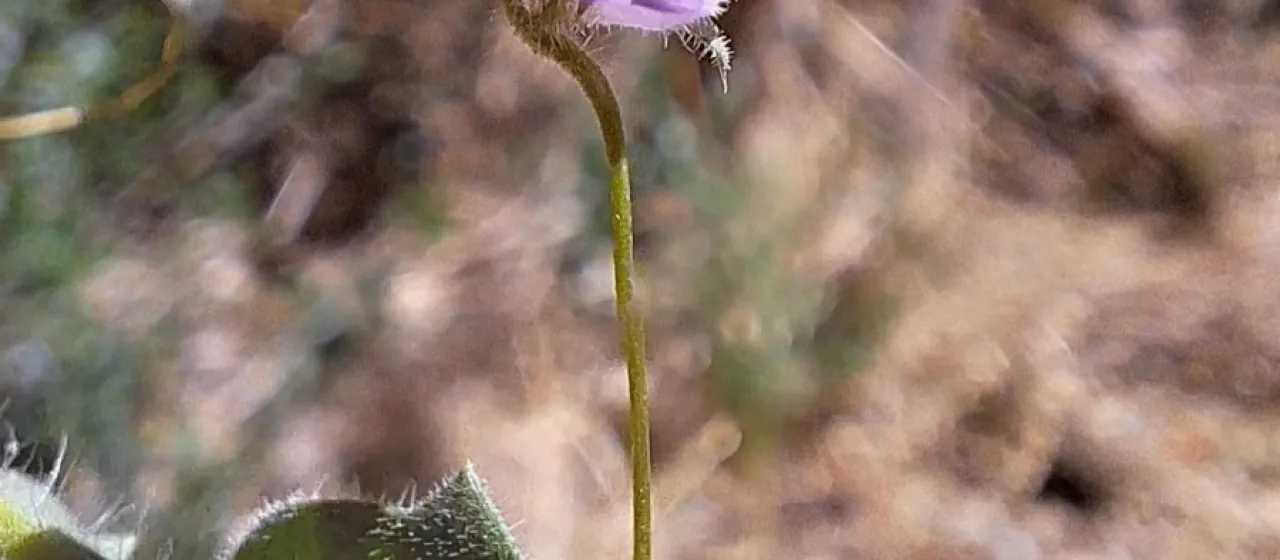
Botanically, Kickxia commutata is characterized by its prostrate to ascending stems and variable leaf morphology, ranging from ovate to sagittate shapes. The flowers are distinctive, featuring a two-lipped corolla with a spurred base, which is a signature trait of the genus. These floral structures are perfectly adapted for pollination by small hymenopterans found in its natural range.
Regarding cultivation requirements, the plant thrives in well-drained, neutral to alkaline soils with high sandy content. In agricultural settings, it requires minimal intervention; however, its status as a weed often necessitates management strategies such as mechanical hoeing. It demonstrates high drought tolerance, though it suffers from root decay if cultivated in heavy, waterlogged soils.
The economic use of this plant is largely academic at this stage, focusing on its biochemical profile and its role in ecosystem dynamics. Pests affecting the species are generally limited to generalist insects that feed on leaves, while fungal infections are rare unless the plant is exposed to excessive humidity. Future agricultural research may explore its potential as a component in soil stabilization or as a source of specialized secondary metabolites.