
Description
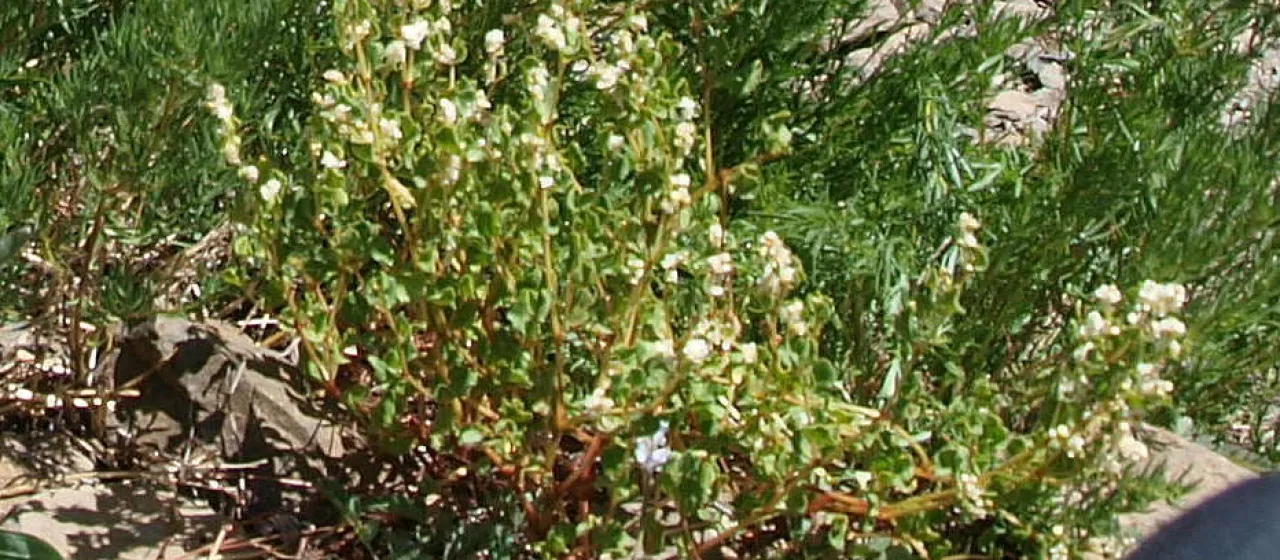
Koenigia tortuosa is a unique perennial herb belonging to the Polygonaceae (Buckwheat) family. It is distinctively characterized by its twisted, zigzagging stems, a trait that makes it a fascinating specimen for both botanists and horticultural enthusiasts. The plant thrives in environments that mimic its natural high-altitude origins.
The native range of this species extends across the mountainous regions of the Himalayas and parts of East Asia. Growing in alpine meadows and rocky terrain, the plant has evolved to withstand harsh winds, intense sunlight, and temperature fluctuations. In cultivation, it serves as a robust addition to gardens that require alpine or mountain-adapted flora.
Botanically, Koenigia tortuosa displays a compact habit with knotted stems and lanceolate foliage. Its ability to branch in complex patterns creates a sculptural aesthetic. The small, often white or pink-tinged flowers develop in late summer, providing a delicate contrast to the structural stems of the plant.
Cultivation requires careful attention to soil composition and water management. It thrives in gritty, well-draining soil that is slightly acidic. Unlike many garden crops, it does not tolerate waterlogged conditions, making proper drainage essential. It prefers cooler environments, so placement in partial shade in warmer climates is often beneficial for its longevity.
In terms of usage, it is primarily valued for its ornamental role in rock gardens, scree beds, and specialized alpine collections. Common pests may include aphids or spider mites, which can be managed with standard horticultural practices. Diseases such as root rot can occur if soil drainage is poor, so maintaining a dry crown area is critical to successful plant health.
- Excellent cold hardiness for mountain species.
- Requires minimal fertilization to prevent leggy growth.
- Best suited for well-drained, porous growing media.