
Description
Laggera aurita is a perennial herbaceous plant belonging to the Asteraceae family. This species is recognized for its adaptive nature, thriving in a variety of ecological niches within tropical and subtropical zones, where it is often collected for its diverse phytochemical profile.
The plant originates from tropical regions of Africa and Asia, where it is found in diverse habitats ranging from grasslands to open forest margins. Its distribution is closely linked to warm climate conditions, as it lacks significant frost resistance and requires stable, temperate to hot temperatures for optimal development.
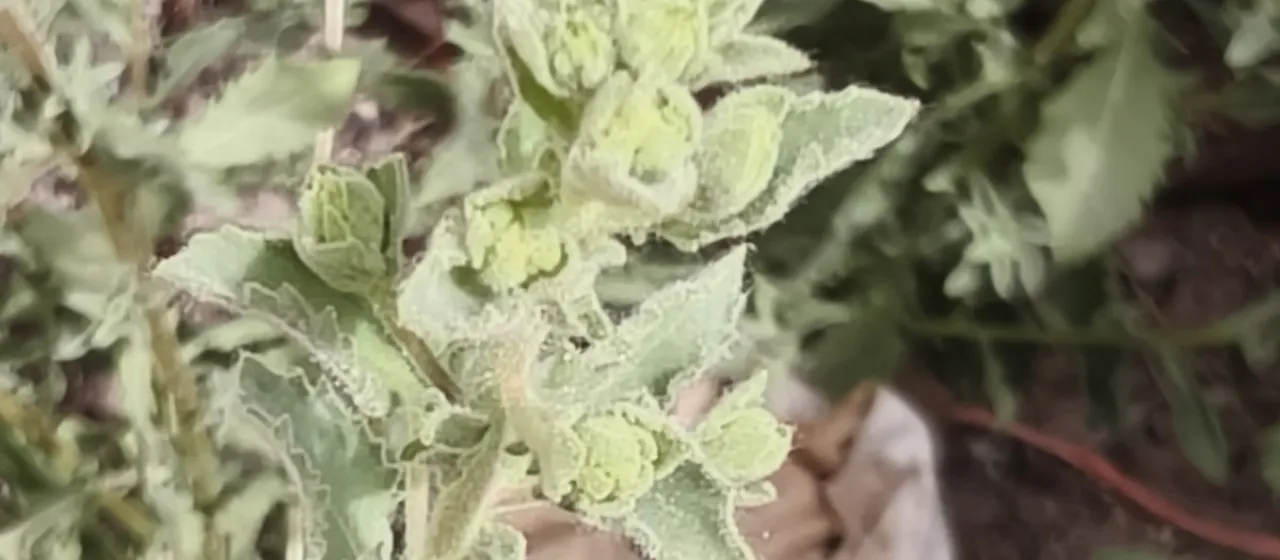
Botanically, Laggera aurita is distinguished by its pubescent, glandular-hairy stems and leaves. The specific epithet aurita refers to the ear-like lobes found at the base of the leaves, which is a key diagnostic feature of the species. The inflorescences consist of small, clustered capitula that produce abundant seeds for dispersal.
Agricultural practices for this crop focus on creating soil conditions that mimic its natural habitat. It performs best in sandy-loam soils with excellent drainage and neutral to slightly acidic pH levels. Farmers should prioritize weed management during the seedling stage and ensure adequate air circulation to prevent fungal pathogen buildup.
In terms of economic utility, the plant is valued for its essential oils and medicinal compounds, which exhibit antibacterial and anti-inflammatory properties. Typical challenges in cultivation include:
- Infestations of aphids and whiteflies during dry spells.
- Susceptibility to powdery mildew in high-humidity environments.
- Root decay resulting from waterlogged soil conditions.