
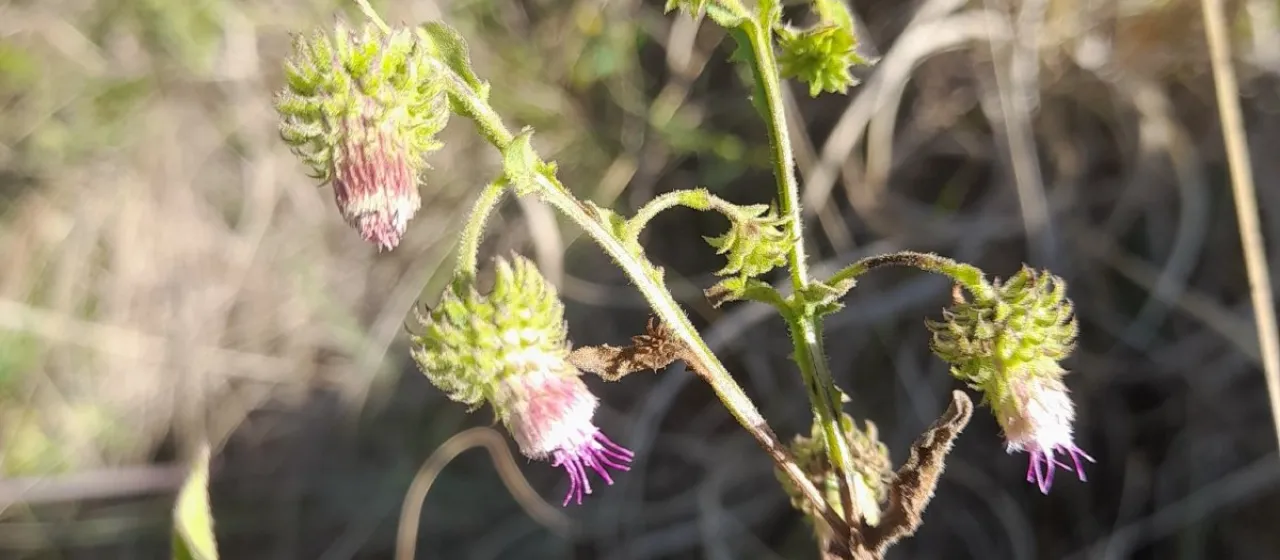
Description
Laggera pterodonta is a prominent medicinal plant species within the Asteraceae family. Known for its significant phytochemical profile, this crop is widely recognized for its potential in producing secondary metabolites, including terpenoids and flavonoids, which serve as foundational components for various pharmacological formulations.
Native to tropical and subtropical regions of Asia, including China, India, and Vietnam, Laggera pterodonta thrives in humid environments. It is naturally found in forest fringes, riverbanks, and slopes, preferring ecosystems with high organic matter content and consistent moisture availability throughout the growing season.
Botanically, the plant is characterized by its distinct winged stems, which give it a unique structural appearance. The leaves are generally serrated and arranged along the stem, culminating in small, compact flower heads. The plant utilizes these structures to adapt to competition for sunlight in its native dense undergrowth habitats.
For successful cultivation, growers must prioritize well-drained, fertile soil with a slightly acidic to neutral pH level. As a moisture-loving crop, Laggera pterodonta requires consistent irrigation. In commercial farming, maintaining proper row spacing is essential to ensure adequate air circulation and to minimize the risk of humidity-related pathogens.
The economic value of this crop is primarily driven by its medical applications. The main areas of commercial utilization include:
- Extraction of essential oils with anti-inflammatory properties.
- Preparation of herbal extracts used in respiratory system therapies.
- Development of antioxidant-rich skincare and cosmetic products.
- Research into bio-pesticide potential for organic farming.
Common agricultural challenges include root rot caused by poor soil drainage and susceptibility to pests like aphids and mites. Effective management requires integrated pest control (IPC) strategies, regular soil health monitoring, and the application of organic fertilizers to maintain vigorous plant growth and natural resistance against infestations.