
Description
Laggera decurrens is a herbaceous perennial belonging to the large Asteraceae family. Known for its medicinal properties and unique chemical profile, this plant is increasingly recognized in agricultural and pharmacological studies as a valuable source of bioactive compounds.
The plant originates from tropical and subtropical regions of Asia, primarily found in India, China, and parts of Southeast Asia. It thrives in diverse environments, ranging from open fields to disturbed sites, demonstrating high adaptability to different geographical conditions within its native range.
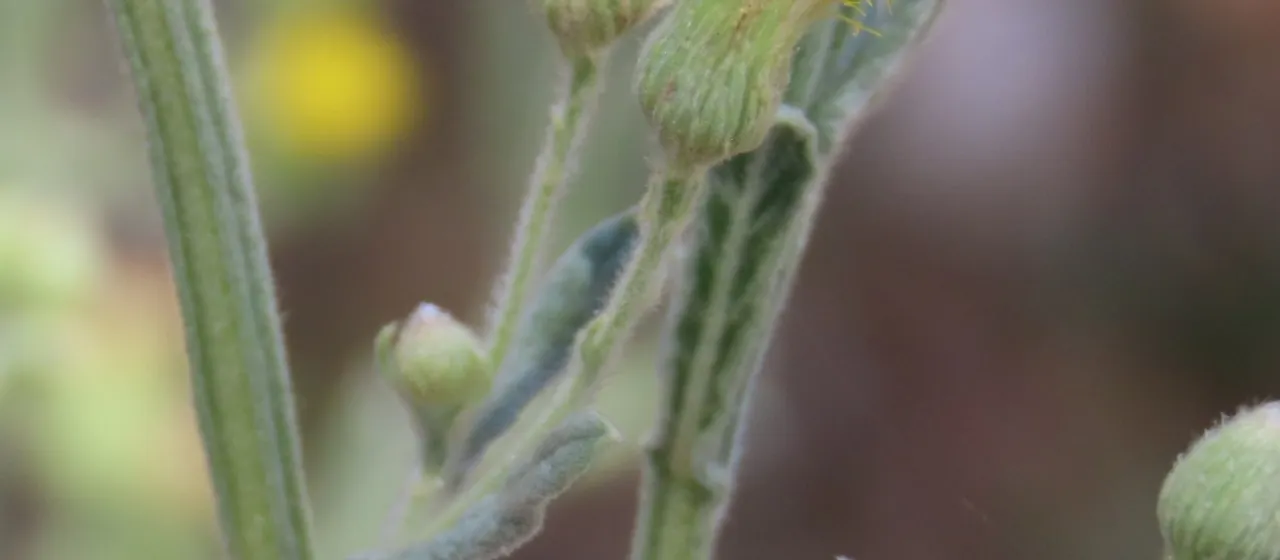
Botanically, it is identified by its decurrent leaves that run down the stem and its dense flower heads typical of the daisy family. The plant is highly aromatic, as its surface is covered with glandular hairs containing essential oils, which are critical for its industrial value and ecological interactions.
Cultivation requires well-drained, fertile soil with a neutral pH. The species prefers bright, sunny locations to maximize the production of secondary metabolites. In terms of agronomy, consistent moisture management is crucial; while the plant is somewhat hardy, avoiding waterlogging is essential to prevent root development issues.
Laggera decurrens is primarily used in the following ways:
- Production of essential oils for industrial and medicinal purposes.
- Traditional medicine applications for treating respiratory and skin conditions.
- Research on its potent antimicrobial and anti-inflammatory extracts.
Regarding health management, the crop is susceptible to common pests such as aphids and spider mites, especially in intensive farming settings. Effective management involves integrated pest control, ensuring proper airflow within the canopy, and maintaining a balanced nutrient regimen to strengthen plant immunity against soil-borne pathogens.