
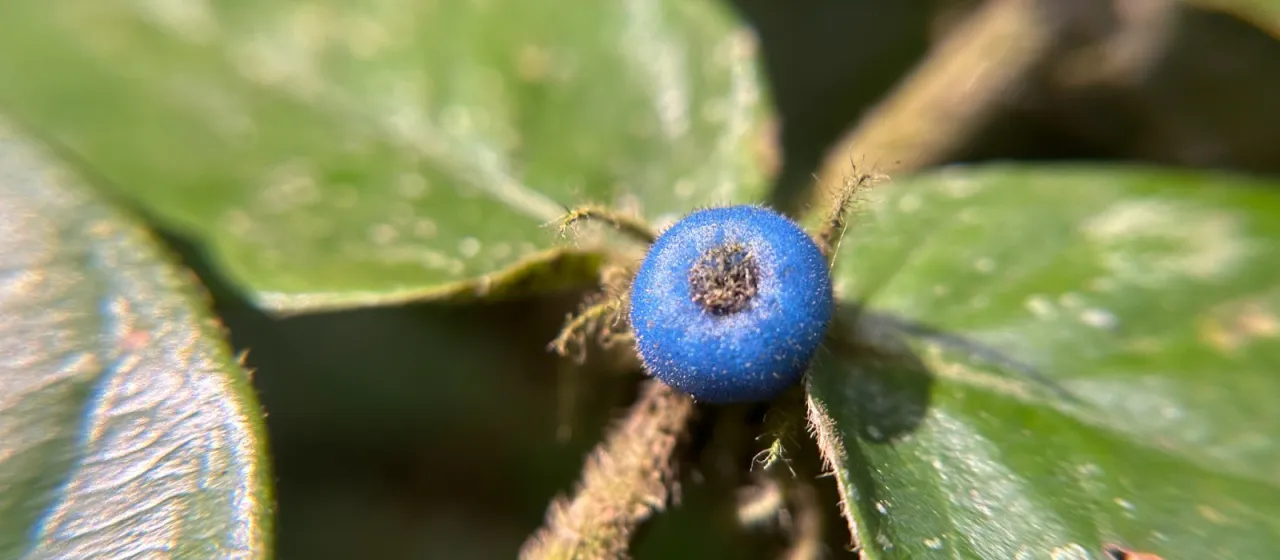
Description
Lasianthus attenuatus is a perennial evergreen shrub belonging to the Rubiaceae family, which is one of the largest families of flowering plants globally. Known primarily for its presence in tropical forest understories, this species embodies the complexity of rainforest flora. As a horticultural entity, it remains specialized, often found in botanical collections or specialized nursery trades focusing on rare tropical understory plants.
The plant originates from the tropical zones of Southeast Asia, thriving in regions with high humidity and consistent warmth. Its native habitat comprises dense forests where it grows under a canopy that filters sunlight. This evolutionary history dictates the species' preference for environments that mimic such conditions, characterized by low light intensity and stable soil moisture levels.
Botanically, it is distinguished by its opposite, often glossy leaves with prominent secondary veins—a trademark feature of the Rubiaceae family. The flowers are generally small, tubular, and sometimes hidden by foliage, leading to the development of drupaceous fruits. These fruits serve as a critical component in the plant's reproductive strategy within its native ecosystem, attracting avian dispersers.
Regarding agrotechnical requirements, Lasianthus attenuatus demands a controlled environment. The key aspects of its care include:
- Maintaining high ambient humidity levels.
- Providing well-draining, acidic to neutral soil rich in organic matter.
- Ensuring placement in diffused light or shade to prevent leaf scorch.
- Monitoring irrigation to ensure the soil remains moist but never waterlogged.
The agricultural and economic utility of this plant is largely centered on scientific research and biodiversity preservation. Being part of a family known for various phytochemical properties, Lasianthus attenuatus is monitored for potential secondary metabolites of pharmacological interest. Common phytosanitary challenges include root rot caused by poor soil drainage and susceptibility to common greenhouse pests like aphids and spider mites, which require integrated pest management protocols.