
Description
Lasianthus chinensis is a perennial evergreen shrub belonging to the diverse Rubiaceae family. This species is characteristic of the understory vegetation in tropical and subtropical forest ecosystems, having evolved unique physiological mechanisms to thrive in low-light environments while maintaining steady growth throughout the year.
The native range of this plant encompasses parts of East and Southeast Asia, primarily Southern China and surrounding territories. It occupies niches in moist forest valleys and shaded mountain slopes, where the natural accumulation of organic matter provides a nutrient-dense environment necessary for the plant's sustained development.
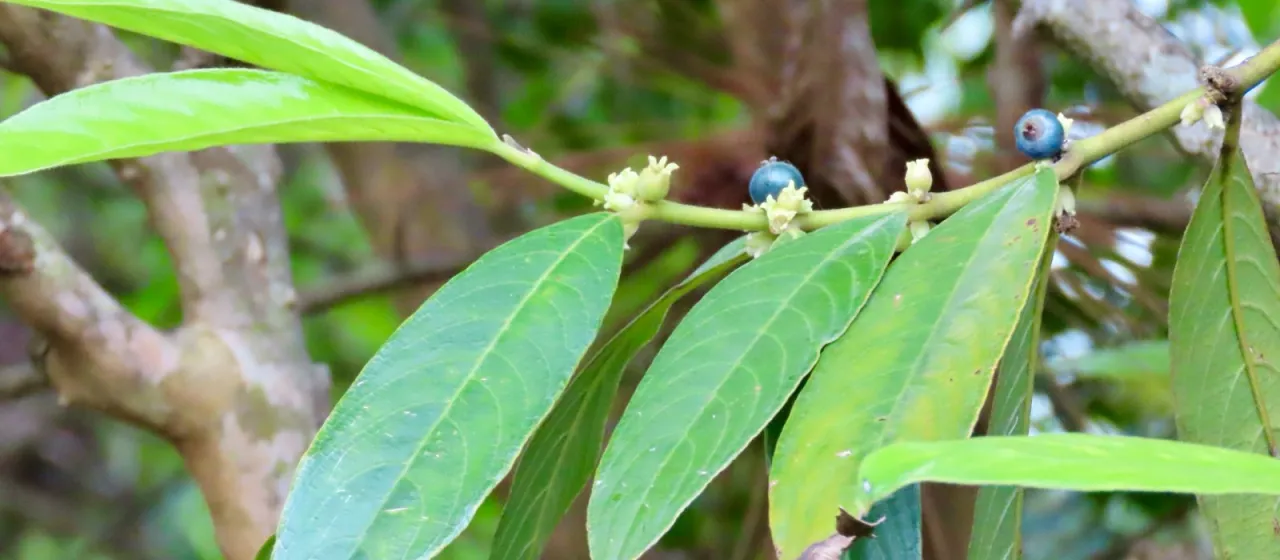
Botanically, the plant is recognized by its opposite, often glossy leaves and specific floral structures typical of the Rubiaceae family. It produces succulent drupes, typically dark in color, which serve as essential components of the forest food web. The architectural structure of the shrub is usually dense, providing ground cover in its natural habitat.
Cultivation requirements for Lasianthus chinensis involve replicating forest-floor conditions, emphasizing the need for well-draining, humus-rich soil with a slightly acidic pH level. Temperature stability is paramount, as the plant is susceptible to cold stress. When grown in artificial environments, protection from direct midday solar radiation and the maintenance of high ambient humidity levels are the primary cultural requirements.
The economic and research significance of this species lies in its medicinal properties and its potential as an ornamental plant. Investigations into the phytochemical profile of Lasianthus chinensis suggest potential applications in phytochemistry due to the presence of secondary metabolites. In horticultural settings, it is valued for its lush foliage and adaptability to indoor or greenhouse cultivation, provided specific ecological parameters are met.
- Requires consistent, moderate watering.
- Thrives in high-humidity environments.
- Susceptible to root rot if soil drainage is poor.
- Propagation is best achieved through stem cuttings or seeds.