
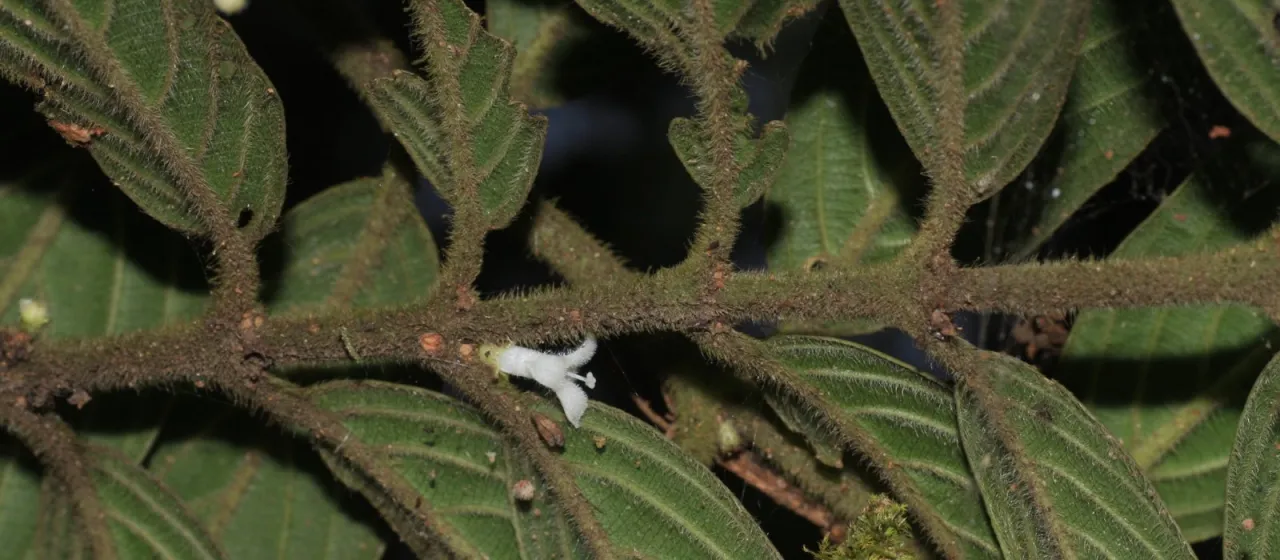
Description
Lasianthus jackianus is an evergreen shrub belonging to the Rubiaceae (madder) family. As a specialized tropical plant, it is primarily recognized for its ecological role in shaded forest understories and its unique biological adaptations to high-humidity, low-light environments.
The plant originates from the tropical regions of Southeast Asia. Its natural range is characterized by dense forest cover where the species has evolved to thrive under a thick canopy, utilizing minimal direct sunlight while maintaining robust vegetative growth throughout the year.
Botanically, the species is identified by its opposite, leather-textured leaves with distinct vein patterns. The flowers are generally small and tubular, typical of the genus, and develop into fleshy drupes. These fruits serve as a critical food source for small birds and mammals in its native habitat, playing a role in forest regeneration.
Cultivation requirements for this crop focus on maintaining a consistent tropical microclimate. Soils should be rich in humus, well-draining, and slightly acidic. Proper agrotechnology involves avoiding waterlogging, which can lead to root rot, while ensuring ambient humidity levels remain consistently high to prevent leaf desiccation.
In terms of economic and practical use, Lasianthus jackianus is mainly cultivated in specialized botanical collections and private ornamental gardens in tropical climates. Protection against pests, particularly mealybugs and spider mites, is essential when growing the plant in glasshouses or controlled environments, where air circulation may be limited.
- Family: Rubiaceae
- Plant type: Tropical shrub
- Light: Partial shade to shade
- Soil requirements: Organic-rich, acidic, well-drained
- Optimal humidity: >70%