
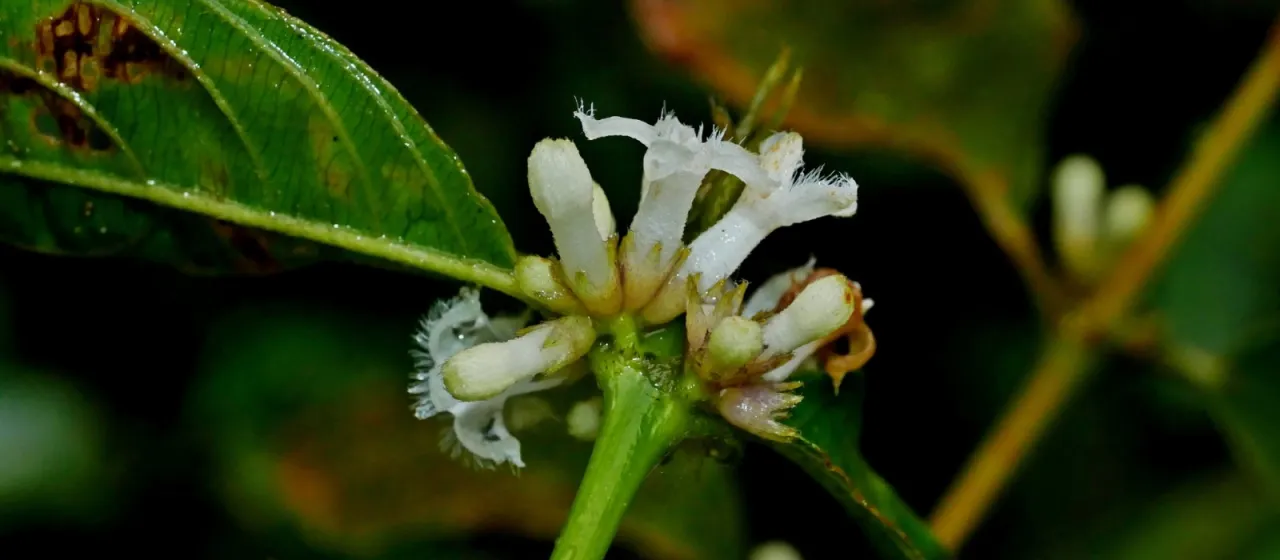
Description
Lasianthus japonicus is a distinct evergreen shrub belonging to the Rubiaceae family. This species is widely recognized for its ecological role as an understory plant in temperate and subtropical forests. In specialized horticulture, it is valued for its lush, glossy foliage and its ability to thrive in shaded environments that are otherwise unsuitable for many common ornamental crops.
The plant originates from East Asia, with a native range spanning Japan, Taiwan, and parts of China. It is highly adapted to humid forest ecosystems characterized by moderate temperatures and minimal exposure to direct, harsh sunlight. Its geographical distribution confirms a preference for protected areas where high levels of ambient humidity are consistently maintained throughout the growing season.
Botanically, Lasianthus japonicus exhibits a compact growth habit with opposite leaves that feature pronounced venation. The plant produces small, inconspicuous flowers followed by berries that transition through distinctive colors during maturation. Its root system is relatively shallow, necessitating a well-aerated soil structure to prevent compaction and ensure adequate oxygen availability.
Successful cultivation of this species requires a soil mix that is rich in organic matter, slightly acidic, and highly permeable to moisture. Agrotechnical management centers on irrigation precision, as the species is intolerant to both waterlogging and acute drought. When grown in nurseries, it is essential to employ shade cloth to mimic the canopy effect of its natural habitat, protecting the foliage from scorch.
The primary utility of Lasianthus japonicus lies in ornamental landscaping and as a research specimen for botanical studies. While not a commercial staple, its potential medicinal properties have garnered interest among researchers investigating the Rubiaceae family. The most common threats to the health of the plant include root rot caused by suboptimal drainage and infestations by aphids or spider mites, which can be mitigated through integrated pest management.