
Description
Lasianthus stipularis is an evergreen shrub belonging to the Rubiaceae family. In its native tropical forest environment, it typically thrives as an understory component. This species represents the biological complexity of tropical ecosystems, characterized by its specialized leaf structure and adaptation to low-light conditions.
The origin of this species is traced to the tropical regions of Southeast Asia. It is found in areas such as Malaysia and Indonesia, where high rainfall and consistent tropical temperatures create an ideal habitat. The plant is geographically restricted to these warm, humid environments and lacks cold tolerance.
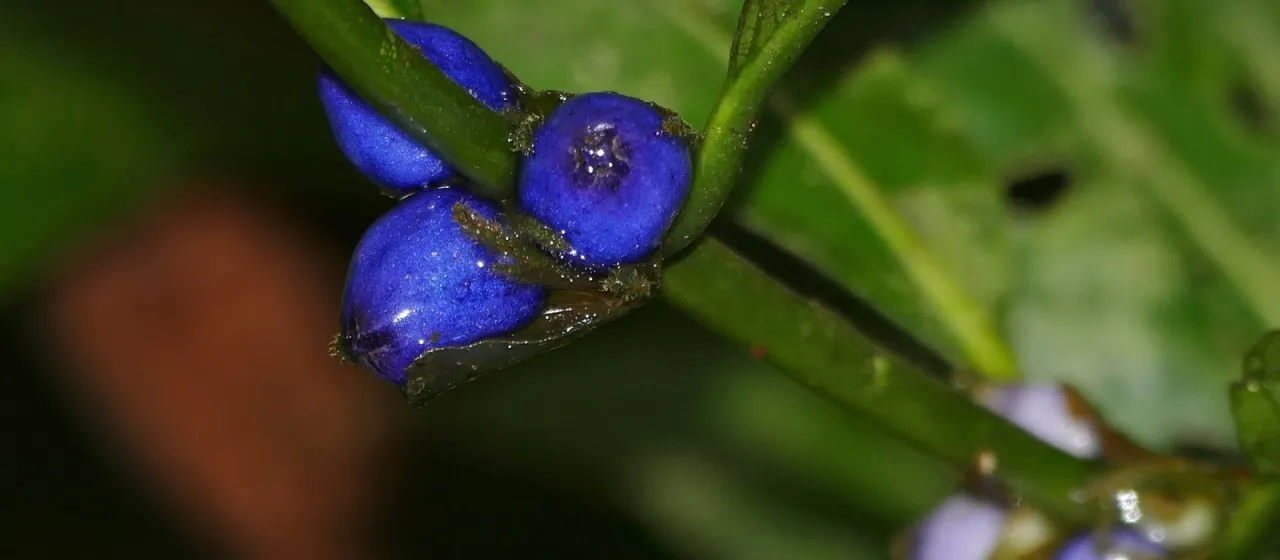
Botanically, Lasianthus stipularis is noted for its distinctive stipules at the base of the leaves, which serve as a primary identification feature for the genus. The plant produces small, inconspicuous flowers, followed by fleshy fruits that are important for local forest wildlife, particularly birds that assist in seed dispersal.
Cultivation requirements for this species focus on simulating its natural understory environment. This means providing consistently moist, well-draining soil rich in organic matter and protection from direct, intense sunlight. Maintaining a high level of ambient humidity is essential for the plant to thrive in a controlled environment like a greenhouse.
The economic and agricultural use of this plant is currently limited. It is primarily observed in botanical research and specialized collections. No major commercial pests or diseases have been documented extensively, though the plant is susceptible to typical tropical root rot if drainage is insufficient in a container setting.
- Prefers high-humidity environments (above 70%).
- Requires indirect light or heavy shade.
- Needs fertile, slightly acidic, and well-drained soil.
- Sensitive to low temperatures and frost.