Lepidium appelianum
Lepidium appelianum Al-Shehbaz
Description
Lepidium appelianum Al-Shehbaz is a perennial herbaceous plant belonging to the Brassicaceae family. Known for its resilience, this species represents the diverse genus Lepidium, which includes numerous plants valued for their adaptation to semi-arid and mountainous environments across Central Asia.
The origin of Lepidium appelianum is deeply linked to the steppes and highland regions where it has evolved to survive significant thermal fluctuations. Its geographic distribution allows it to thrive in diverse ecosystems, making it a subject of interest for researchers studying the genetic potential of wild crop relatives for future agricultural integration.
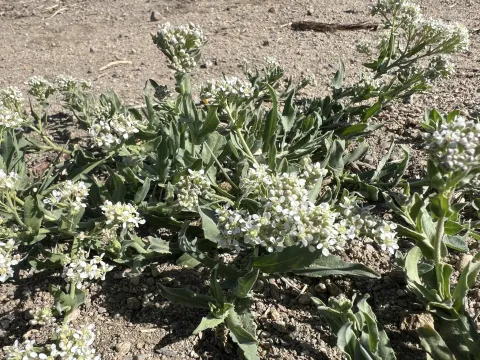
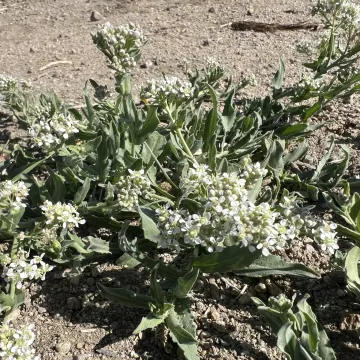
Botanically, the plant features a robust taproot system designed for moisture retention and stability. The foliage is arranged in a basal rosette, with erect, branched stems supporting raceme inflorescences. This structural design ensures that the plant remains competitive in nutrient-poor environments while maintaining a reproductive strategy based on efficient pollination.
In terms of cultivation, Lepidium appelianum requires well-drained, porous soils to prevent root rot, which is a common issue for many crucifers. It performs best in neutral to slightly alkaline soil conditions. Proper irrigation management is vital; while the plant is drought-tolerant, supplemental water during the early stages of establishment significantly improves overall development.
The agricultural usage of this plant centers on its role in soil conservation and as a potential source of biochemical compounds. It is relatively resistant to common pests like flea beetles when grown in appropriate conditions. Its ability to colonize degraded lands makes it an excellent candidate for ecological restoration projects and sustainable land management practices.
- Strong drought tolerance mechanisms.
- Excellent adaptability to rocky substrates.
- Low input requirements for growth.
- Potential for soil erosion control.
Photo gallery