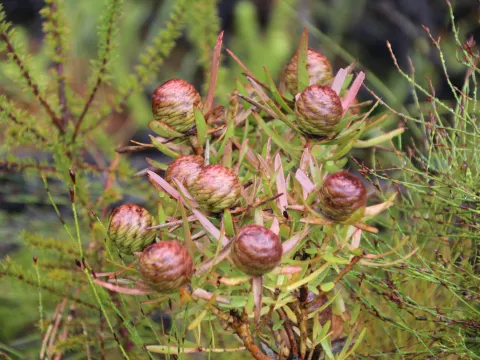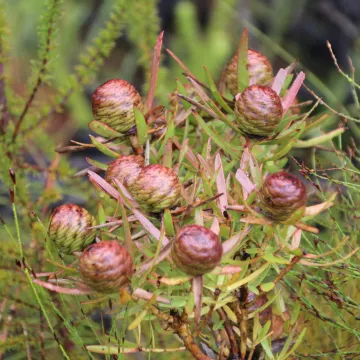
Leucadendron spissifolium x Leucadendron discolor
Leucadendron spissifolium x Leucadendron discolor
Description
Leucadendron spissifolium x Leucadendron discolor is a sophisticated hybrid shrub belonging to the Proteaceae family. This ornamental crop is highly valued in the international floral industry for its unique, colorful bracts that frame the actual inflorescences. The hybrid demonstrates a robust structure and specific visual characteristics derived from its parent species, making it a premium choice for commercial growers.
The plant originates from the fynbos regions of South Africa. It is adapted to thrive in Mediterranean-like climates characterized by mild, wet winters and dry, warm summers. Commercially, this crop is successfully cultivated in regions with similar climate profiles, such as Australia, New Zealand, California, and various parts of Europe, provided that environmental conditions are strictly controlled.
Botanically, this shrub exhibits a woody stem structure with leathery, narrow foliage that is often coated in a waxy cuticle. This feature is a physiological adaptation to arid environments, allowing the plant to minimize transpiration. The bracts undergo significant color changes as they mature, which is a key trait favored by breeders for ornamental display.
Agricultural success depends on providing a well-draining, acidic, sandy soil. Proteaceae species, including this hybrid, are extremely sensitive to phosphorus-rich fertilizers, which can cause toxicity and lead to plant death. Therefore, growers must employ specialized nutrient management programs. Soil moisture control is critical, as root rot is the most common physiological challenge in high-density greenhouse or field production.
The primary commercial application for this crop is the production of high-end cut flowers for global markets. They are prized for their exceptional vase life and architectural beauty in floral arrangements. Pests such as spider mites and aphids are typical threats, while root pathogens often emerge when irrigation and drainage protocols are not strictly followed.
Photo gallery