
Description
Leucothoe grayana is a distinctive ornamental shrub belonging to the Ericaceae family. Known for its elegant architecture and year-round interest, this species is highly regarded in landscape design for its ability to provide texture and color contrast, particularly in shaded garden sections.
Native to East Asia, specifically Japan, this plant naturally inhabits mountain forests where the atmosphere is cool and humid. In a cultivation context, it requires similar conditions, making it an excellent choice for woodland-style gardens where it can receive partial shade and protection from harsh weather elements and strong, drying winds.
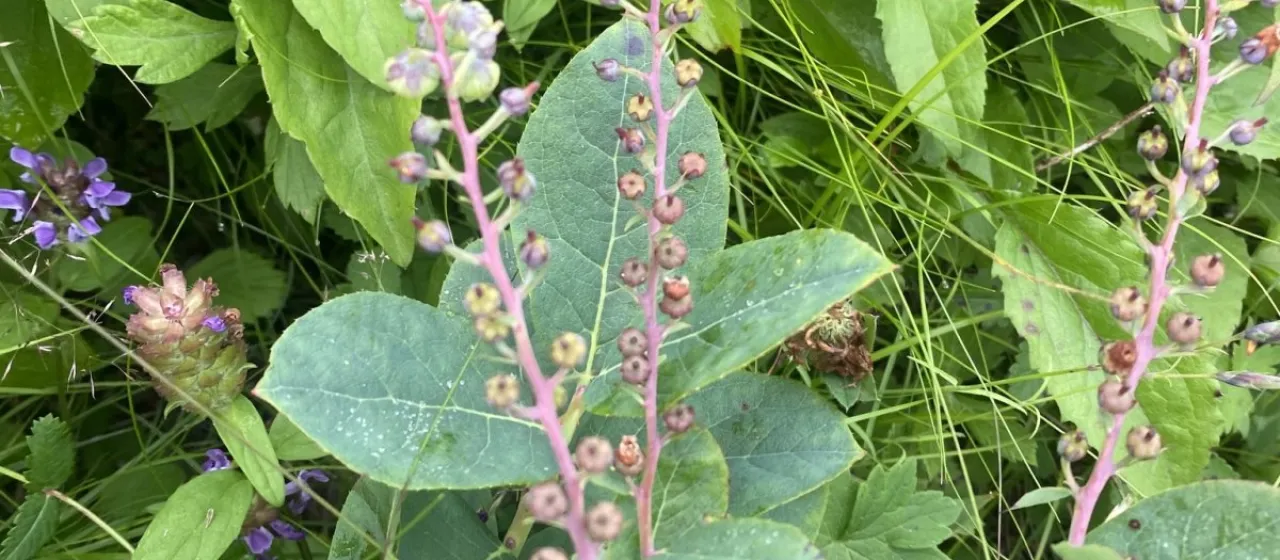
Botanically, the plant is characterized by its semi-evergreen, leathery foliage that often shifts from deep green in the summer to stunning shades of bronze and purple during the colder months. Its small, white, bell-shaped flowers are produced in pendulous racemes, typically appearing in the late spring or early summer, adding a delicate touch to the shrub's overall structure.
Regarding cultivation requirements, Leucothoe grayana thrives in acidic, well-drained, and humus-rich soils. It is critical to maintain consistent soil moisture, as the plant is intolerant to drought. Adding a thick layer of acidic organic mulch, such as pine needles or peat moss, is essential for maintaining soil acidity and protecting the shallow root system from temperature fluctuations.
The main challenges in maintaining this culture involve fungal diseases, such as leaf spot or root rot, which are often triggered by poor drainage or high humidity around the foliage. Insect pests like spider mites and scale insects may also occur, especially in dry conditions. Keeping the plant vigorous through proper site selection and balanced feeding usually minimizes these risks significantly.
- Prefers dappled shade rather than full sun.
- Strictly requires acidic soil pH.
- Does not tolerate long periods of soil compaction.
- Pruning should be done after flowering to maintain shape.