
Description
Fetterbush, scientifically known as Leucothoe racemosa, is a deciduous ornamental shrub belonging to the Ericaceae family. It is highly valued in horticulture for its elegant growth habit, attractive racemes of white flowers, and striking foliage that undergoes a dramatic color transformation during the autumn months.
The species is native to the eastern parts of North America. Its natural habitat includes damp woodlands, thickets, and margins of wetlands. Because of its origin, the plant thrives in environments that offer moderate temperatures, high humidity, and protection from intense, direct solar radiation throughout the day.
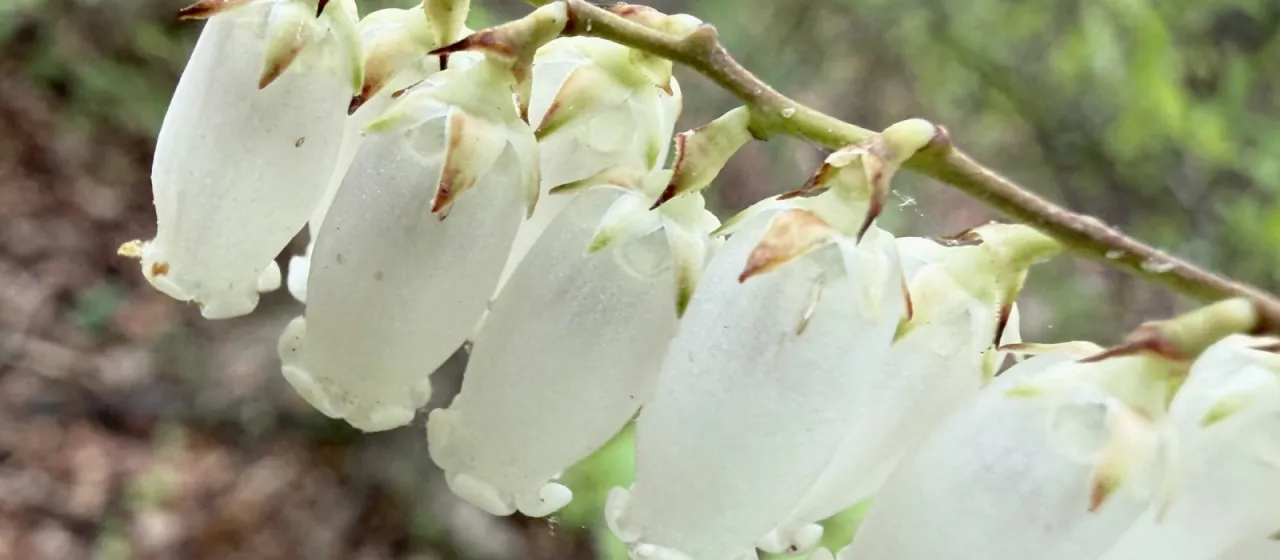
Botanically, the plant features arching stems and glossy leaves that turn from vibrant green to deep shades of crimson or bronze as temperatures drop in autumn. The inflorescences are pendulous racemes of small, white, urn-shaped flowers that appear in late spring. These blooms are not only visually appealing but also contribute to the plant's unique texture in a garden setting.
Successful cultivation of Leucothoe racemosa requires a well-drained, acidic soil rich in organic matter. Similar to other members of the heath family, it is sensitive to drought and poor drainage. Regular mulching with pine needles or leaf mold is essential to retain soil moisture, suppress weeds, and keep the root zone cool, which is vital for its long-term health.
While generally hardy, Fetterbush should be monitored for common issues such as leaf spot or powdery mildew, especially if planted in areas with poor airflow. It is most effectively used in woodland gardens, along pond edges, or as an understory shrub in shaded borders. By providing the correct acidic environment and adequate moisture, this plant serves as a low-maintenance and high-impact element of the garden landscape.