
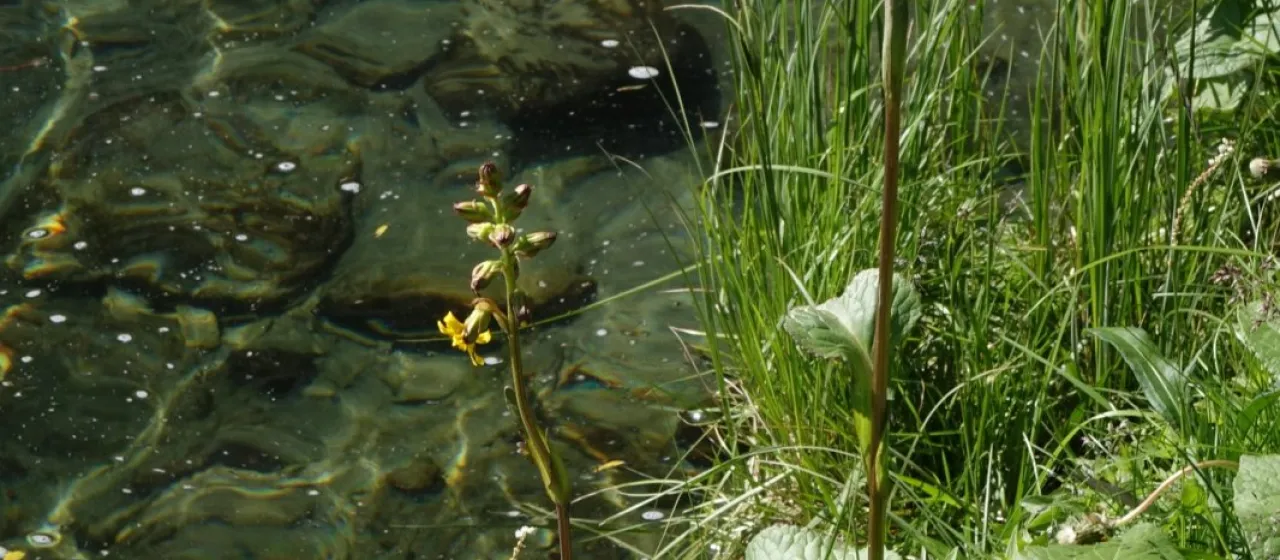
Description
Siberian ligularia (Ligularia sibirica) is a herbaceous perennial plant belonging to the Asteraceae family. In agriculture and horticulture, it is highly valued for its robust growth, adaptability to wet environments, and ornamental qualities. It represents a significant species for land development in riparian zones and humid climates, displaying high resilience to environmental stressors.
The plant originates from the Eurasian continent, with its natural range spanning from Eastern Europe to Siberia. It is typically found in habitats characterized by high moisture levels, such as floodplains, meadows, and marshes. Because of this background, the plant has evolved to thrive in areas where water availability is consistently high, making it a reliable crop for specific wetland-prone environments.
Botanically, it features a strong rhizome system and tall, erect stems that can reach up to 1.5 meters. The foliage is prominent, consisting of large, cordate leaves that form a dense basal rosette. During the summer, it produces bright yellow, raceme-like flower clusters. This structure allows the plant to efficiently store nutrients and sustain rapid growth throughout the growing season.
Agrotechnical requirements for Siberian ligularia focus primarily on moisture management and soil fertility. It thrives in nutrient-rich, loamy soils that maintain consistent moisture levels. The plant performs best in partial shade, as excessive direct sunlight can cause leaf scorching. Management practices include regular irrigation, consistent mulching to retain soil moisture, and periodic fertilization to promote vigorous development.
The primary хозяйственные (economic) uses for the crop include:
- Ornamental landscaping for water gardens and moist borders.
- Restoration of wetland ecosystems and environmental engineering.
- Potential raw material for pharmaceutical applications due to its bioactive properties.
- Role as a pollinator-friendly plant in managed landscapes.
Common pests affecting this crop include slugs and snails, which can cause significant damage to the lush leaves. Regarding diseases, powdery mildew is the most frequent issue, especially in humid conditions with poor air circulation. Effective control measures involve proper spacing to ensure adequate airflow, monitoring for pest activity, and maintaining a clean, weed-free growing environment.