
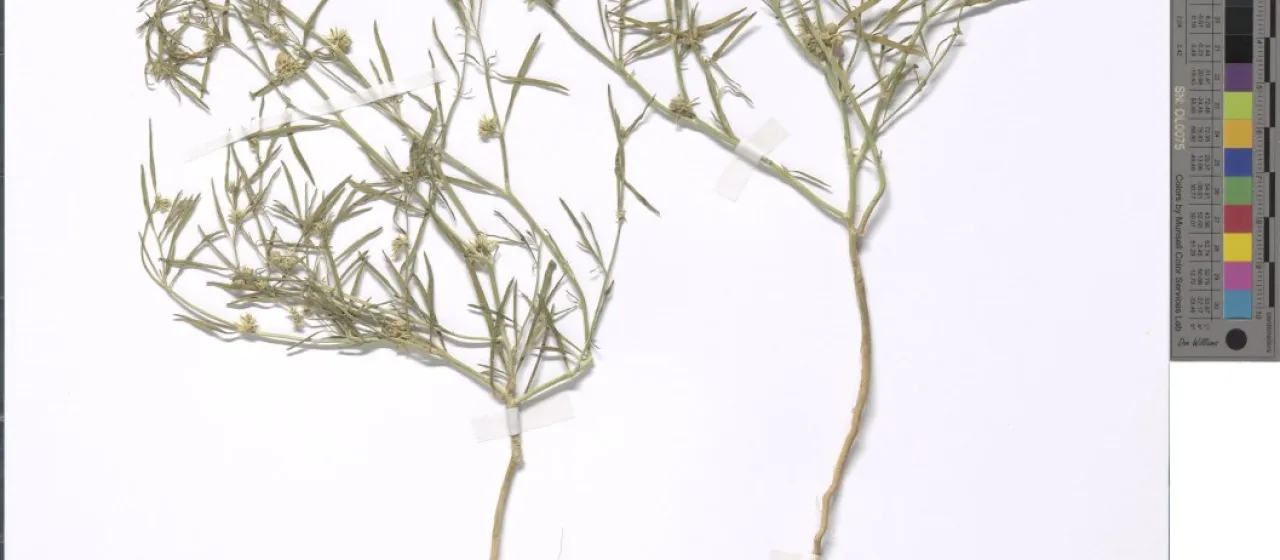
Description
Limeum diffusum is a herbaceous plant species belonging to the family Limeaceae. Historically, this genus was associated with the Molluginaceae family, but modern taxonomic classification confirms its status within the distinct Limeaceae group, which is known for its adaptation to arid environments.
The native distribution of Limeum diffusum is primarily centered in the arid and semi-arid regions of Southern Africa, including Namibia and South Africa. This plant thrives in harsh environments where environmental stress, such as extreme heat and irregular rainfall, prevents the growth of traditional staple crops.
Botanically, the species is defined by its prostrate growth habit and succulent-like foliage, which serves to conserve water. The plant exhibits a high degree of phenotypic plasticity, allowing it to remain dormant during prolonged dry periods and resume vigorous growth immediately following rare precipitation events.
Agricultural management of Limeum diffusum focuses on minimal intervention. It is highly adapted to nutrient-poor, sandy, and alkaline soils. Irrigation is rarely required, and the plant has shown remarkable resilience against pests that typically affect more mesic vegetation in the same geographical zones.
In terms of хозяйственного (economic) utilization, the plant serves as a vital forage source for livestock in extensive rangelands. Because of its ability to survive in environments where other grasses fail, it is considered a candidate for land restoration projects and as a secondary crop in sustainable desert farming models.
- High resilience to heat stress
- Adaptation to low-fertility soils
- Rapid recovery after rains
- Minimal input agricultural requirements