
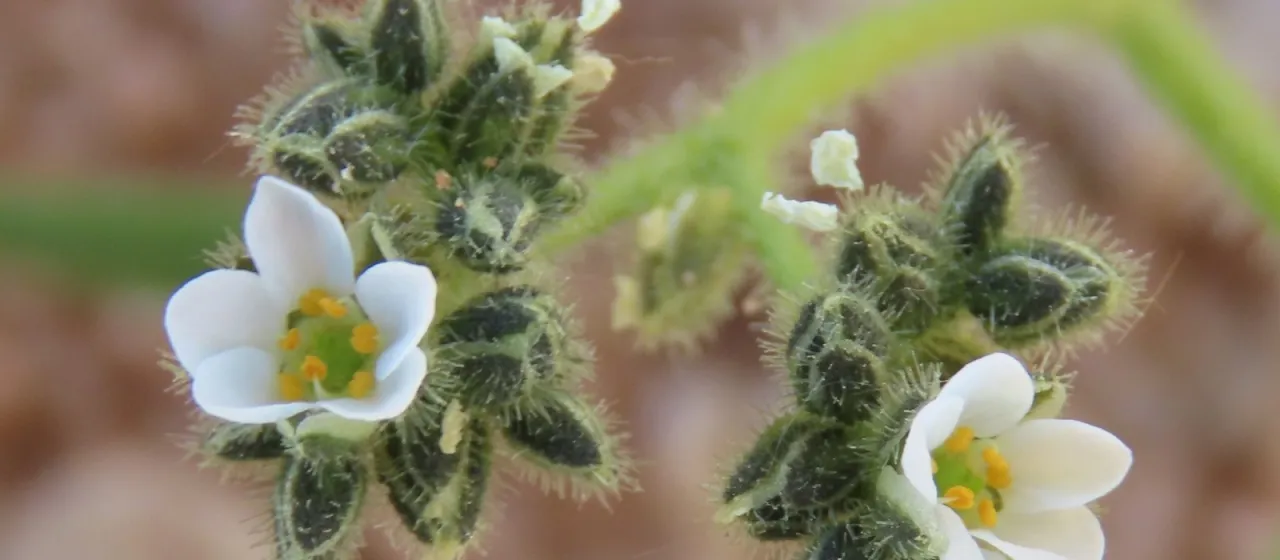
Description
Limeum viscosum is a perennial herb belonging to the family Molluginaceae. Known for its remarkable resilience in arid environments, this species is gaining attention as a potential candidate for soil stabilization and rangeland restoration in desertified regions. Its ability to thrive in extremely dry conditions makes it an interesting subject for studies on plant physiology and climate adaptation.
The plant is native to the arid regions of Southern Africa, including parts of Namibia, Botswana, and South Africa. It is primarily found in savanna landscapes and sandy plains where rainfall is infrequent and erratic. Because it evolved in these specific geographic niches, the plant is naturally adapted to high solar radiation and prolonged soil moisture deficits.
Botanically, Limeum viscosum is defined by its glandular hairs that cover the stems and leaves, giving the plant a sticky or "viscous" feel, which serves to reduce water loss. It typically forms low-growing, spreading mats that protect the soil surface from wind erosion. The leaves are generally small and succulent-like, allowing for efficient internal water storage during drought periods.
Regarding agrotechnical requirements, the plant demands well-drained, sandy or gravelly soils. It does not tolerate waterlogging, which is a critical factor for its successful cultivation. In terms of climate, it requires full sun exposure and is highly sensitive to frost. No intensive fertilization is necessary, as the species is adapted to thrive in nutrient-poor environments, making it a low-input botanical resource.
The primary agricultural use of this plant is as supplemental forage in arid-land grazing systems, particularly for browsers and small ruminants. It plays a functional role in local ecology by protecting topsoil and supporting biodiversity in otherwise harsh environments. Common pests include various grasshopper species and local aphids; however, the plant is generally resistant to many agricultural pathogens due to its specialized phytochemical profile.