
Description
Limnophila indica is a herbaceous aquatic plant belonging to the Plantaginaceae family. Originally found in tropical regions of Asia and Africa, this species thrives in stagnant or slow-moving water bodies, such as swamps and flooded wetlands. Its broad distribution reflects its ability to adapt to varying degrees of aquatic environmental conditions throughout its native range.
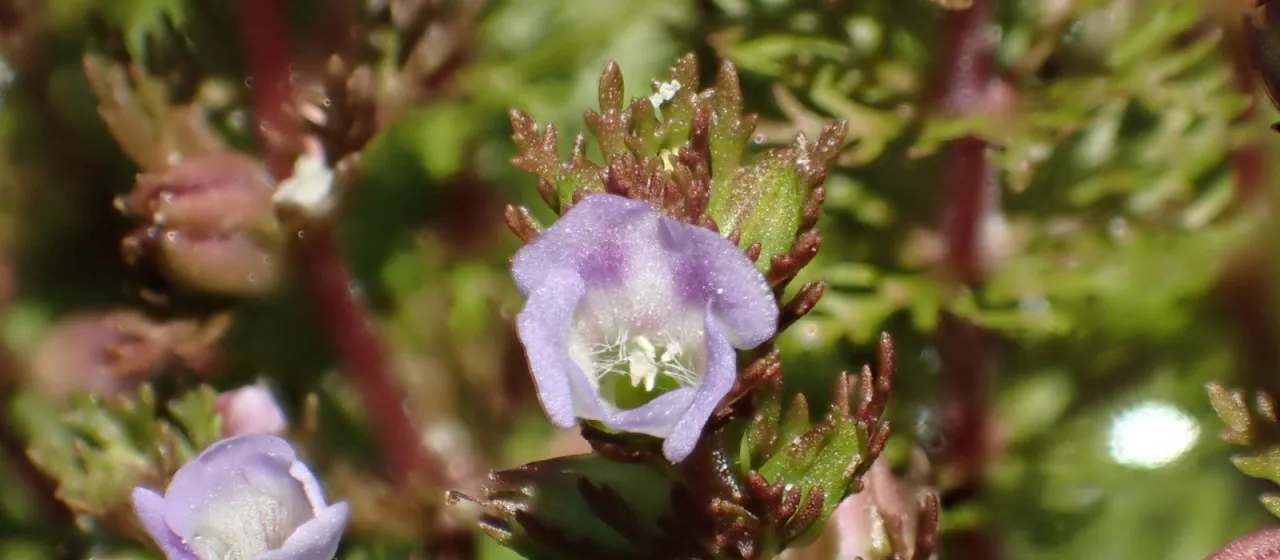
The botanical structure of the plant is highly polymorphic. Its stems are elongated and adorned with whorled leaves that exhibit varying degrees of feathering depending on the light intensity. When the plant emerges above the water line, it transitions into a more terrestrial form and can produce delicate, small flowers, which are characteristic of its taxonomic classification within the Plantaginaceae.
Successful cultivation requires specific environmental parameters, primarily high-intensity lighting and stable water temperatures between 22°C and 28°C. The plant prefers slightly acidic to neutral water chemistry. While it can adapt to various substrates, a nutrient-rich, iron-supplemented sediment significantly enhances its growth rate and vitality compared to inert substrates.
Agronomic management relies heavily on propagation through stem cuttings. By cutting a healthy apical shoot and replanting it in the substrate, the plant quickly establishes new root systems. To maintain vigorous health, regular pruning is necessary to prevent overcrowding, which can lead to shading of lower leaves and subsequent rotting of the stem base.
Beyond its use in the ornamental aquarium industry, this plant is valued for its capacity as a nutrient sink in controlled aquatic systems. It effectively competes with algae for dissolved nutrients, thereby maintaining water clarity. Common issues include the infestation of epiphytic algae and potential leaf chlorosis if micronutrients, particularly iron and CO2, are deficient in the water column.