
Description
Limnophila rugosa is a perennial herb belonging to the Plantaginaceae family. It is highly valued in Southeast Asia for its aromatic leaves, which possess a distinct fragrance reminiscent of anise and basil. This plant has gained recognition as a specialty agricultural crop due to its culinary and potential medicinal applications.
The origin of this species is traced back to tropical Asia, with an extensive range including India, China, and Southeast Asian countries. It thrives in wetland environments, frequently colonizing marshy areas, rice paddies, and moist riverbanks. Its natural adaptation to aquatic and semi-aquatic habitats is a key factor in determining its cultivation strategy.
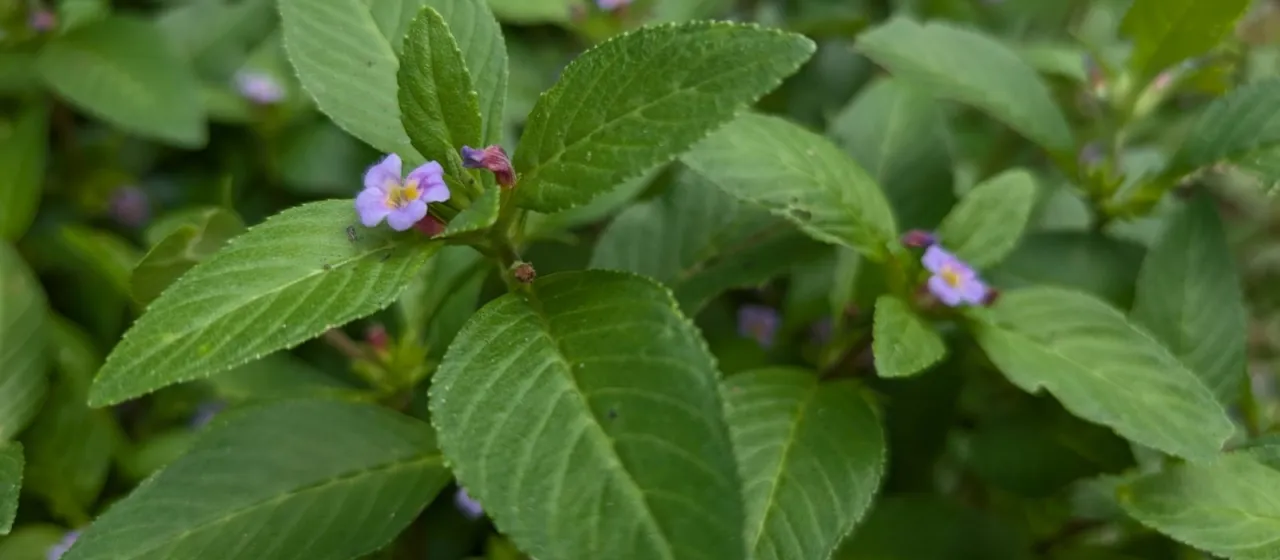
Botanically, the plant is characterized by its opposite, ovate-oblong leaves with a distinctly wrinkled surface, giving it its specific epithet. It produces small, purple to violet tubular flowers arranged in spikes. The plant can reach a height of 30–50 cm and possesses a vigorous root system, which allows it to spread effectively in suitable wet conditions.
Cultivation requirements focus on high water availability and nutrient-rich, organic soil. Limnophila rugosa prefers a warm, humid climate with temperatures ideally between 22°C and 30°C. It thrives under full sun but requires constant moisture to prevent wilting. Proper soil management involves ensuring a slightly acidic to neutral pH and regular application of organic fertilizers.
- Culinary use: Fresh leaves are a staple aromatic herb for soups, curries, and seafood.
- Traditional medicine: Used in various infusions to support digestive and respiratory health.
- Ornamental use: Highly suitable for paludariums, aquatic gardens, and moist garden beds.
- Essential oil extraction: Investigated for its unique aromatic chemical profile.
Common issues in Limnophila production include fungal diseases triggered by stagnant water and poor air circulation. Pests such as aphids and spider mites can infest the plant, particularly in greenhouse conditions. Integrated pest management and maintaining proper spacing between plants are essential to ensure healthy growth and high yields in commercial operations.