
Description
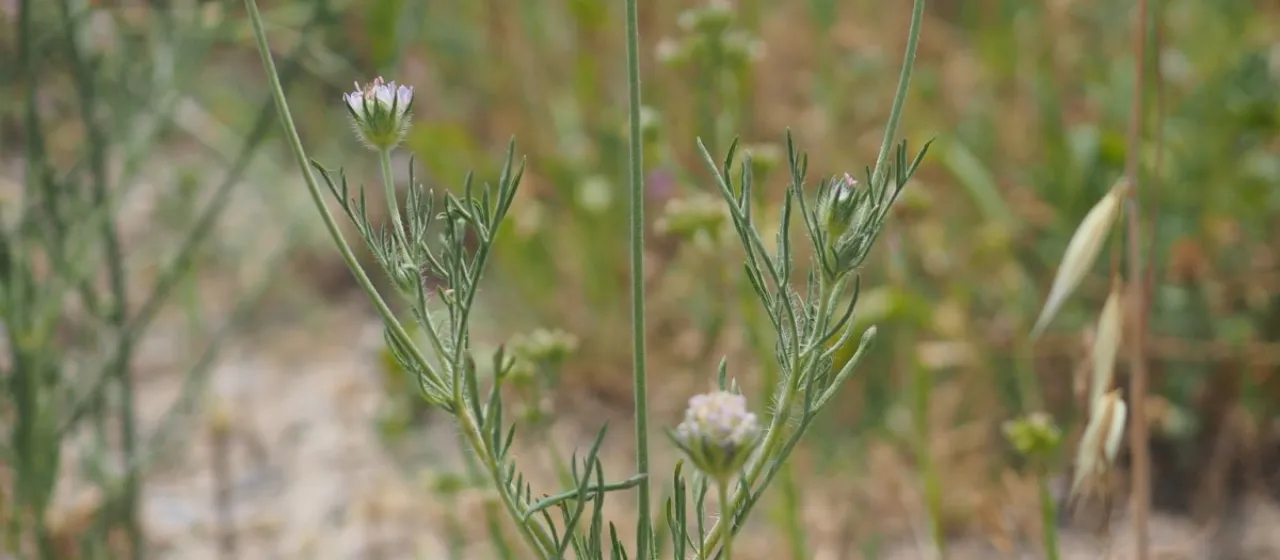
Lomelosia simplex is a herbaceous perennial plant belonging to the Caprifoliaceae family. Historically, it was classified within the Dipsacaceae family, but modern taxonomic revisions have reassigned it. It is recognized for its unique floral morphology and adaptability to diverse environmental conditions.
The native range of this species extends across the Mediterranean basin and parts of Western Asia. It typically thrives in open habitats, including rocky slopes and grasslands. The plant has evolved to tolerate high levels of solar radiation and moderate drought, making it an excellent candidate for regions with Mediterranean-type climates.
Botanically, Lomelosia simplex features a basal rosette of leaves and long, erect stems culminating in head-shaped inflorescences. The flowers are surrounded by distinctive bracts, providing aesthetic appeal throughout the blooming season. The root system is relatively deep, which assists in moisture uptake during dry spells.
Regarding agronomic requirements, the plant demands well-draining, sandy or loamy soils with a neutral or slightly alkaline pH. Proper site selection is critical, as waterlogging is the primary cause of plant failure. Once established, it requires minimal intervention, provided it is planted in an area with full sun exposure.
The primary horticultural application for this plant is in landscaping, particularly in xeriscaping or naturalistic gardens. Maintenance involves basic sanitation, such as removing spent flower heads. While relatively hardy, common issues include aphids or fungal infections when grown in high-humidity or poorly ventilated environments.