
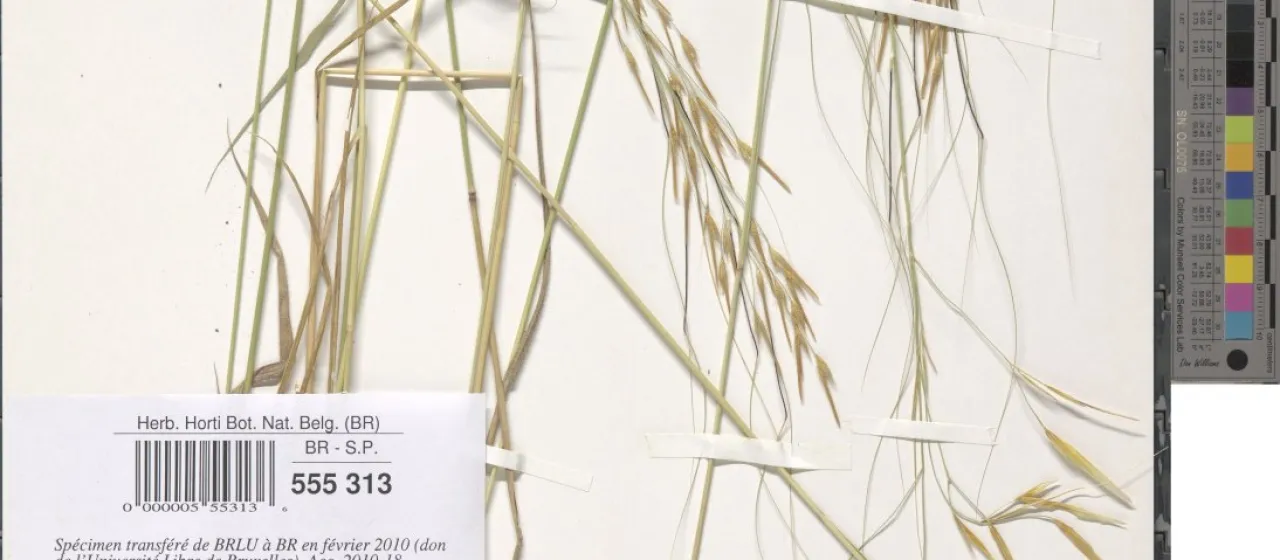
Description
Annual loudetia (Loudetia annua) is a grass species belonging to the Poaceae family. It is an annual plant native to the tropical regions of Africa, where it plays a significant role in the biodiversity and structure of savanna ecosystems.
The plant originates from the tropical belts of the African continent and is well-adapted to the distinct wet and dry seasons characteristic of these regions. Its distribution is generally restricted to tropical climates, as it requires consistent warmth and specific photoperiods to complete its life cycle effectively.
Botanically, Loudetia annua is characterized by erect culms and narrow, linear leaves. It produces loose, paniculate inflorescences that facilitate efficient wind-dispersed pollination. Being an annual, its survival strategy relies on rapid growth during the rainy season and the production of a large quantity of seeds before the onset of the dry season.
The crop thrives in well-drained soils, preferring sandy or loamy textures where excess moisture can drain away quickly. It is highly resilient to high temperatures and intense sunlight. Agricultural management mainly involves controlled grazing practices to maintain pasture health and, in some cases, managed burning to stimulate the rejuvenation of the grasses.
- Utilized primarily for cattle grazing in subsistence farming systems.
- Serves as a source of dry-season forage fodder for livestock.
- Contributes to soil stabilization in fragile savanna environments.
Regarding pests and diseases, the species shows remarkable hardiness against common tropical plant pathogens. Because it is largely a wild-growing forage source, the impact of specific pests is minimal, allowing it to maintain stable populations across its native range without intensive chemical intervention.