
Description
Loudetia flavida, commonly known as yellow golden grass, is a perennial grass species belonging to the Poaceae family. Within agricultural systems, it is recognized as a vital component of natural grazing lands, particularly in regions where environmental conditions are too harsh for more sensitive fodder crops.
The plant is native to tropical Africa and is widely distributed across savannah ecosystems. Its cultivation range is largely defined by its natural distribution in sub-Saharan regions, where it thrives in environments characterized by distinct wet and dry seasons. It is known for its ability to persist in areas with low soil fertility.
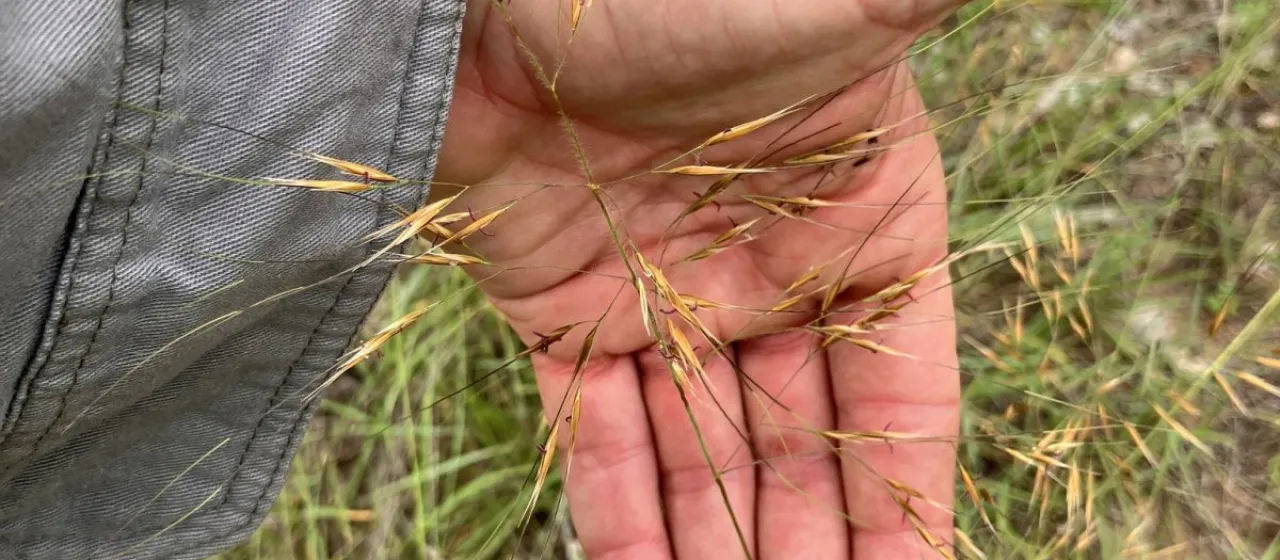
Botanically, Loudetia flavida forms dense tussocks, which is a key structural feature for its survival in competitive grassland environments. The foliage is typically narrow and rigid, and the inflorescence consists of a panicle that develops during the peak of the growing season. Its root system is exceptionally deep, facilitating nutrient and moisture uptake in poor soil conditions.
Regarding agronomic requirements, this grass is highly resilient and requires little intensive management. It prefers open areas with significant exposure to sunlight. While it can handle acidic and low-nutrient soils, its growth rate is directly proportional to moisture availability during the rainy season. Proper pasture management, specifically rotational grazing, is recommended to maintain the stand vitality.
The primary economic use of this species is as a forage source for ruminants. While not considered a high-protein fodder crop compared to managed legumes, it serves as an essential base for livestock grazing in extensive farming systems.
- Requires well-drained soils.
- Shows high fire tolerance.
- Valued for erosion control.
- Supports biodiversity in pastures.
- Can be susceptible to common grass rusts under stagnant conditions.