
Description
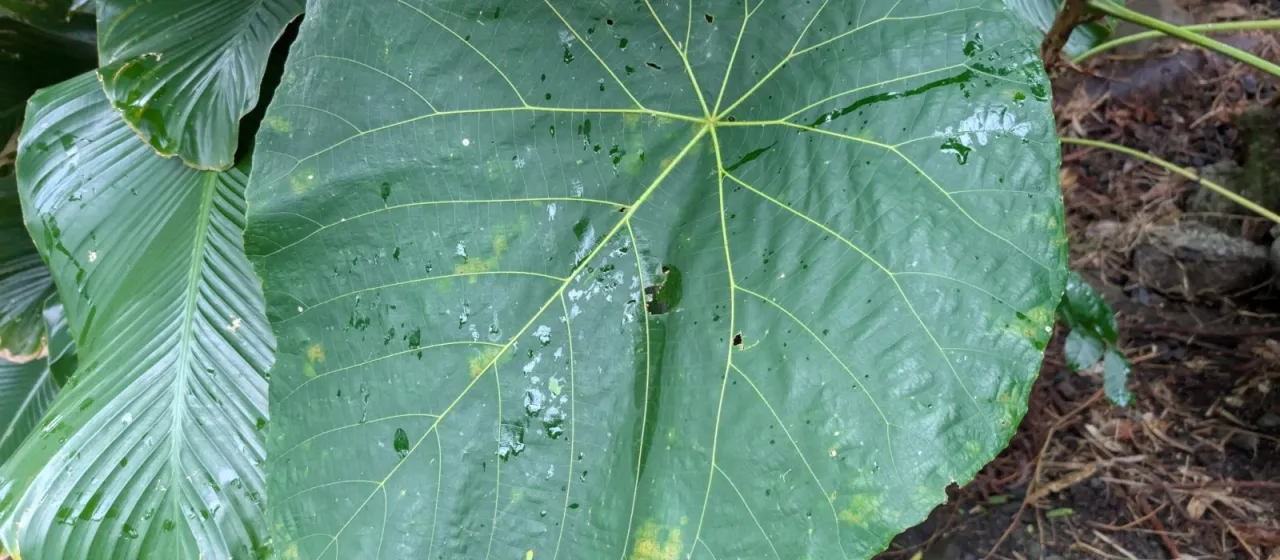
Macaranga mappa is an evergreen tropical tree belonging to the Euphorbiaceae family. In its natural habitat, the plant grows to a significant size, developing a dense canopy with distinctive large shield-shaped leaves that can reach up to 50 centimeters in diameter. This crop is a characteristic representative of the secondary forests of Southeast Asia.
The plant originates from the Philippines and surrounding regions of Southeast Asia. Currently, its cultivation is strictly confined to tropical zones characterized by high humidity and stable temperatures. The crop exhibits a high growth rate, making it a crucial element in reforestation programs and a source of fast-growing timber within agroforestry systems.
Botanically, Macaranga mappa is notable for its unique leaf shape and its symbiotic relationship with ants, which provide protection for the tree against pests. The root system is shallow but robust, allowing the plant to anchor itself effectively in loose soils. It produces small, clustered inflorescences followed by fruit capsules containing seeds.
Successful cultivation of Macaranga requires a humid tropical climate and fertile, well-drained soils. The species is extremely sensitive to frost and prolonged drought periods. Agronomic practices emphasize protecting young saplings from direct, intense sunlight and maintaining high levels of organic matter in the soil to accelerate vegetation cycles.
Economic uses of this crop include the following areas:
- Production of pulp and paper raw materials due to high biomass growth.
- Utilization of leaves in traditional cooking and as sustainable packaging.
- Application in tropical landscape architecture.
- Restoration of degraded lands and prevention of soil erosion.
Common challenges in cultivation include leaf damage caused by fungal infections during periods of excessive humidity and infestations by various aphid species. Agronomists recommend maintaining optimal planting density to ensure proper canopy ventilation, which significantly reduces the risk of disease outbreaks and the development of decay.