
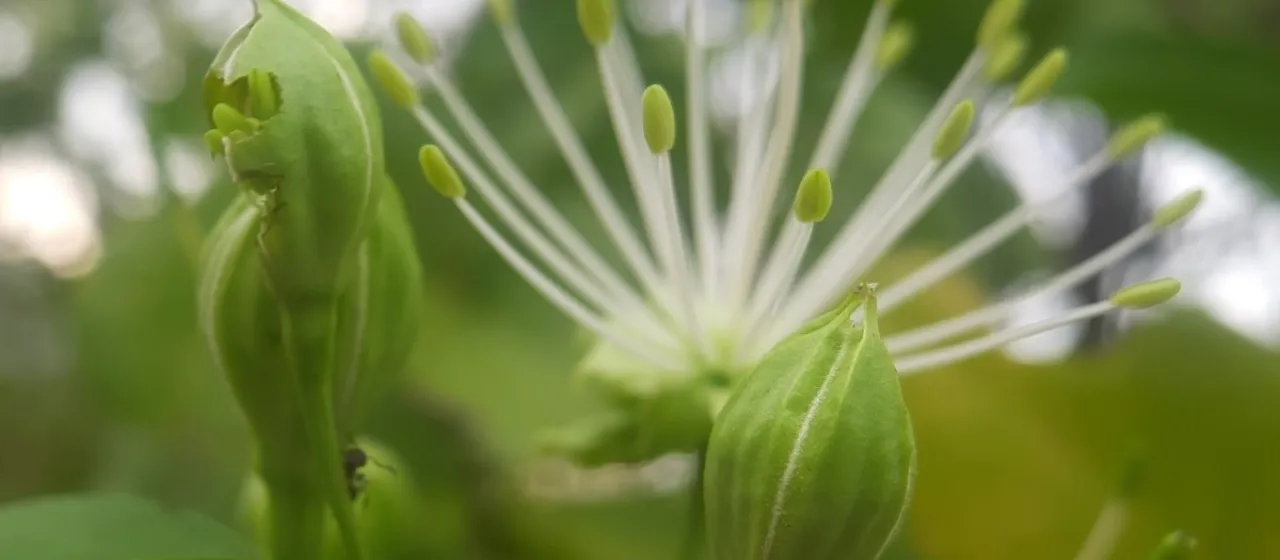
Description
Maerua oblongifolia is a perennial shrub or small tree belonging to the Capparaceae family. Renowned for its exceptional endurance, this plant serves as a vital component of arid ecosystems, characterized by its ability to thrive under high temperatures and prolonged dry seasons that would be lethal to more sensitive botanical species.
The native habitat of this plant spans across the arid and semi-arid regions of Africa and parts of South Asia. It typically occupies rocky outcrops, sandy soils, and savannah environments. Its distribution is closely tied to climatic zones where precipitation is highly seasonal and often unpredictable, demonstrating a remarkable resilience to environmental stress.
Botanically, the plant is distinguished by its oblong, leathery leaves and specialized flowers adapted for pollination in hot, dry environments. The root system is significantly developed, often forming a woody tuberous structure that acts as a storage organ for water and nutrients, enabling the plant to enter dormancy during extreme droughts and recover rapidly once moisture becomes available.
The agronomic management of Maerua oblongifolia is relatively low-input, making it a suitable candidate for sustainable agriculture in developing arid regions. It requires soils with excellent drainage to prevent root rot. Propagation is primarily via seeds, which may require mechanical scarification to improve germination rates. Young plants benefit from light mulching to maintain soil moisture during the establishment phase.
Economic and agricultural applications include:
- Utilization in traditional pharmacological formulations due to its active bioactive compounds.
- Use as supplemental livestock forage in areas where conventional crops cannot survive.
- Reforestation and soil stabilization projects in degraded, semi-arid lands.
- Landscaping in xeriscape gardening where water conservation is a priority.
Regarding health management, the crop is generally hardy, though it can be affected by specific foliage-feeding insects and spider mites under dry conditions. Fungal root pathogens remain the greatest threat, usually resulting from inadequate soil drainage or waterlogging. Integrated pest management, focusing on proper irrigation control and removing debris, is the standard practice for healthy plantation maintenance.