
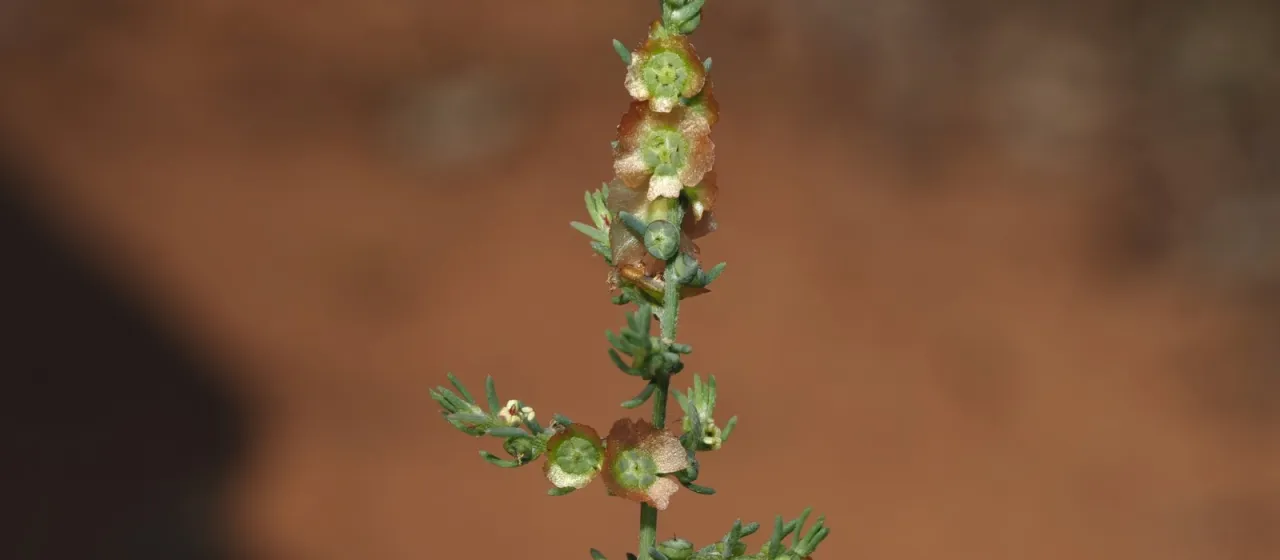
Description
Maireana microphylla is a resilient perennial shrub belonging to the Amaranthaceae family. It is a highly specialized plant species, naturally adapted to survival in the arid and semi-arid environments of Australia. Its biological profile makes it an essential component of ecosystems subjected to extreme moisture deficits and saline conditions.
The native range of this species is primarily concentrated in the arid regions of the Australian continent. It has evolved to thrive in environments where traditional agricultural crops would fail, specifically targeting areas with high soil salinity and irregular rainfall patterns, making it a critical asset for landscape stability.
Botanically, it features small leaves designed to minimize water loss through transpiration, often coated with a fine, reflective pubescence. Its root system is notably deep and expansive, providing the plant with the capacity to extract groundwater even when surface moisture is nonexistent, which is a key adaptive strategy for survival.
Agricultural requirements for Maireana microphylla focus on soil structure rather than fertility. It demands well-drained soils to prevent root rot. Proper management involves moderate grazing pressure to allow the shrubs to maintain their regenerative capacity. It is typically propagated from seeds or cuttings in environments where soil erosion is a primary concern.
The primary agricultural utility of this shrub lies in its role as a supplementary fodder source for livestock, particularly in periods of prolonged drought. Beyond its nutritional value, it serves as a robust tool for soil reclamation and erosion control. The plant is resistant to many common pests, though local insects can impact seedling development if not monitored.