
Description
Maireana villosa, commonly known as a type of cottonbush, is a perennial subshrub belonging to the Amaranthaceae family. It was formerly classified under the genus Kochia. This plant is recognized for its extraordinary physiological ability to thrive in extremely arid and semi-arid environments where water availability is severely restricted.
The species is native to the interior regions of Australia. Its range of cultivation is primarily concentrated in arid rangelands where it serves as a critical component of the local ecosystem. The plant has evolved to handle harsh climatic conditions characterized by intense heat, periodic drought, and significant diurnal temperature fluctuations.
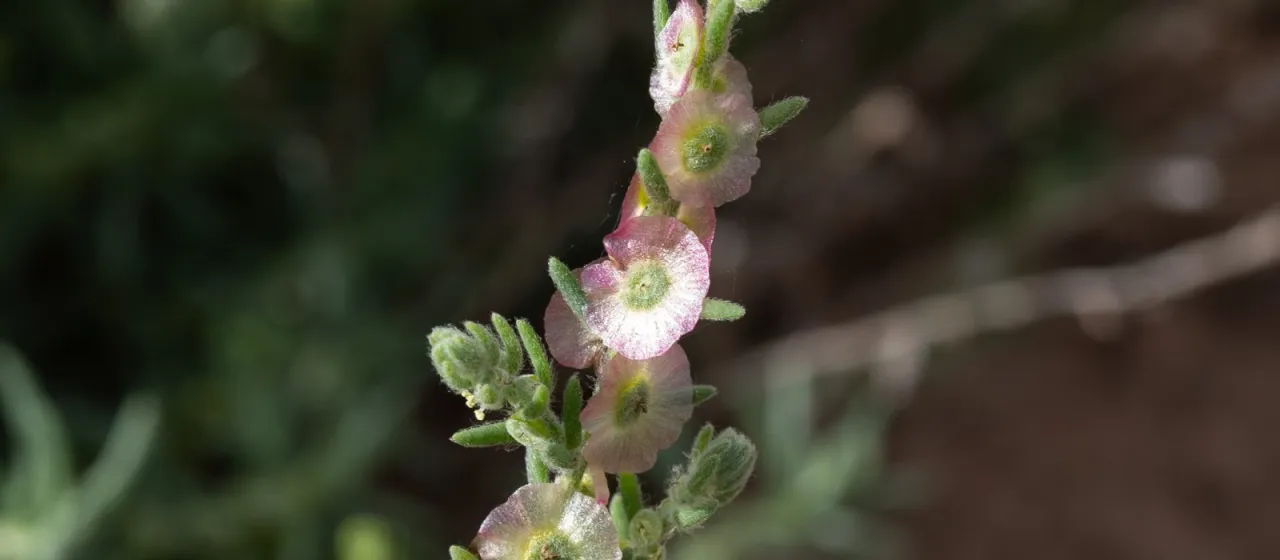
Botanically, Maireana villosa is defined by its characteristic dense, woolly hairs covering the leaves and stems. These hairs act as a protective layer, reducing transpiration and protecting the plant from the scorching sun. The root system is deep-reaching and resilient, allowing the plant to sustain itself during extended periods without rainfall.
In terms of agricultural requirements, this crop thrives in well-drained soils and shows remarkable tolerance to salinity and alkalinity. It does not require high-fertility soils or intensive irrigation systems. Standard agrotechnical practices focus on preventing overgrazing, as this is essential to ensure the plant’s longevity and natural regeneration in range environments.
The primary agricultural utility of Maireana villosa is as a drought-reserve forage for livestock, particularly sheep and cattle. During extreme dry spells, when grasses are depleted, this shrub remains a vital source of protein and essential minerals. Regarding health, the plant is relatively robust, though it can be susceptible to root rot in waterlogged conditions and occasional damage from localized insect pests.