
Description
Mallotus nudiflorus is a woody species belonging to the diverse Euphorbiaceae family. This plant is primarily recognized for its ecological importance and its role in sustainable agroforestry within tropical and subtropical regions. Unlike conventional annual crops, it is a perennial tree that thrives in specific environmental niches, offering valuable biomass and forest products.
The plant originates from South and Southeast Asia, with a natural range extending across India and neighboring countries. It is typically found in humid forests, riverbanks, and marshy areas where water availability remains high throughout the year. The species is well-adapted to warm, tropical climates and requires environments with consistent heat and humidity to reach its full growth potential.
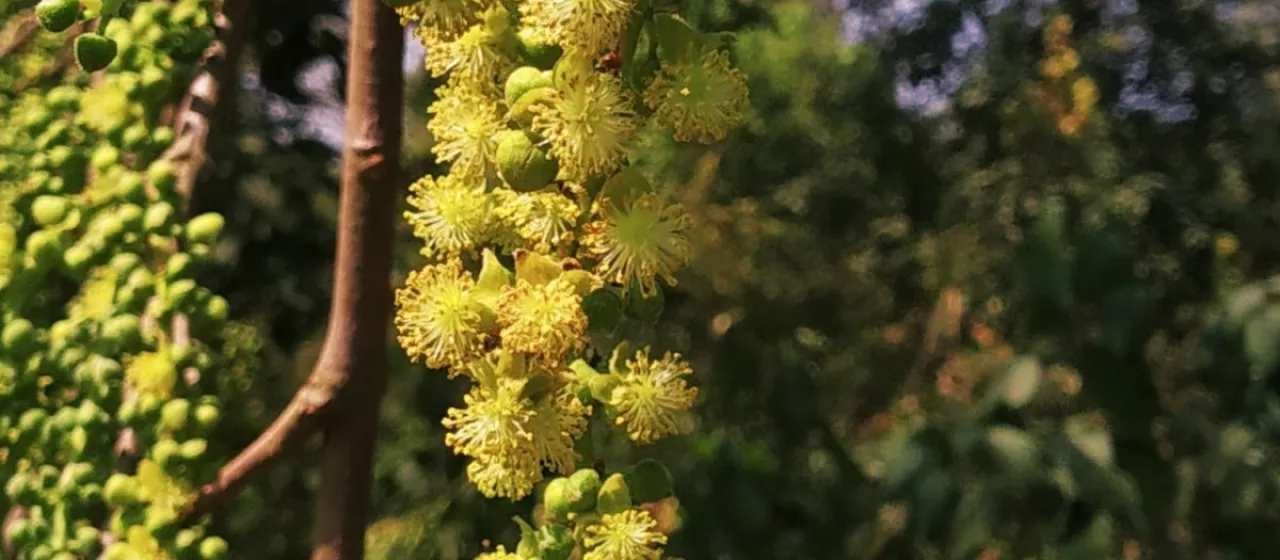
Botanically, Mallotus nudiflorus is characterized by its distinct foliage and small, naked flowers, which lack petals, confirming its taxonomical classification. The tree grows to a moderate size, featuring a robust root system that helps maintain soil stability in prone areas. Its growth cycle is heavily influenced by the onset of monsoon seasons and the general level of solar radiation provided in its habitat.
Agricultural requirements for this species include the selection of fertile, well-drained but moisture-retentive soils. Successful cultivation relies on site preparation that minimizes competition from faster-growing invasive weeds. Although the plant is resilient, young seedlings require protection from excessive heat and waterlogging during the initial establishment phase to ensure strong, healthy growth.
- Production of moderate-density timber for local woodworking.
- Extraction of compounds used in traditional medicinal practices.
- Utilization as a reforestation agent for degraded riverine landscapes.
Common biological threats include leaf-spot fungi and various defoliating insects that can reduce overall biomass production. To manage these risks, plantation managers should focus on maintaining optimal tree spacing to promote good air circulation. Implementing integrated pest management strategies is essential to keep the crop healthy and productive throughout its lifecycle.