
Description
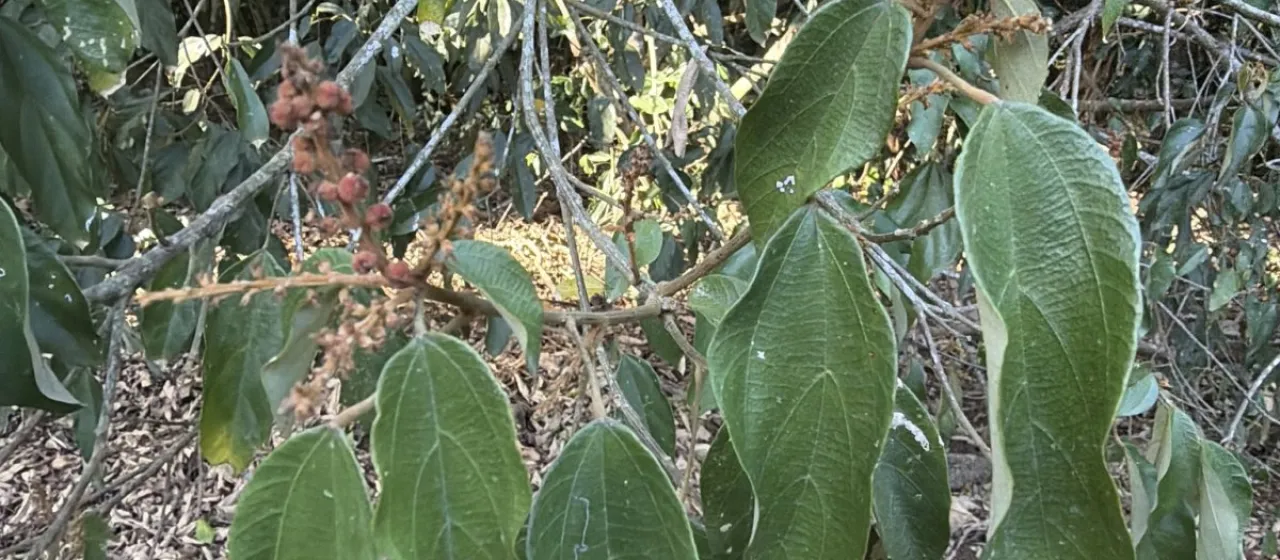
Mallotus philippensis, commonly known as the kamala tree, belongs to the Euphorbiaceae family. It is a medium-sized evergreen tree primarily valued for the reddish-brown glandular powder found on the surface of its fruits. This natural substance has been utilized for centuries as a traditional dye and for its various pharmacological properties.
The native distribution of this species spans across the tropical regions of Asia, including India, China, the Philippines, and parts of Australia. It thrives in forest environments and areas with consistent tropical climates. In commercial agriculture, it is cultivated primarily in regions where the humidity and temperature levels remain stable throughout the year, supporting its growth cycles.
Botanically, the tree is characterized by its simple, alternate leaves and distinctive fruit capsules. These capsules are covered in a granular, red coating that contains compounds such as rottlerin. Understanding the timing of fruit maturity is crucial for farmers, as the harvesting process involves collecting these capsules before the powder is lost to weather conditions or mechanical damage.
Agronomic management of Mallotus philippensis requires deep, well-drained soils with high organic matter content. While the tree can tolerate some shade, maximum production occurs in full sunlight once the plant is well-established. Irrigation is necessary during the early stages of establishment and during prolonged dry spells to ensure steady growth and high yield quality.
Economic and utility sectors for this crop include:
- Textiles: Utilizing the kamala powder as a natural dye for silk and wool fabrics.
- Pharmaceuticals: Development of treatments based on the anthelmintic properties of the fruit extract.
- Cosmetics: Formulation of natural pigments for skincare and personal care products.
- Woodworking: Utilizing the durable timber for small-scale tool handles and construction.
Cultivation challenges typically involve fungal pathogens, particularly during the rainy season, which can affect the fruit quality. Insect pests, such as aphids and leaf-eating beetles, also pose risks. Integrated pest management strategies, focusing on biological controls and proper canopy maintenance to ensure adequate airflow, are essential for maintaining the health of the plantation.