
Description
Manettia paraguariensis is a perennial evergreen climbing plant belonging to the Rubiaceae family. As an agricultural and botanical subject, it is recognized for its vigorous climbing habit and ability to provide rapid cover. It represents a significant element of South American flora, often cultivated in specialized nurseries for ornamental purposes.
The plant originates from the tropical and subtropical regions of South America, specifically in areas such as Paraguay and Brazil. Its natural habitat includes moist forests and riparian zones. Understanding its native environmental conditions is crucial for successful cultivation, as the plant thrives in areas with consistent humidity and protection from harsh wind.
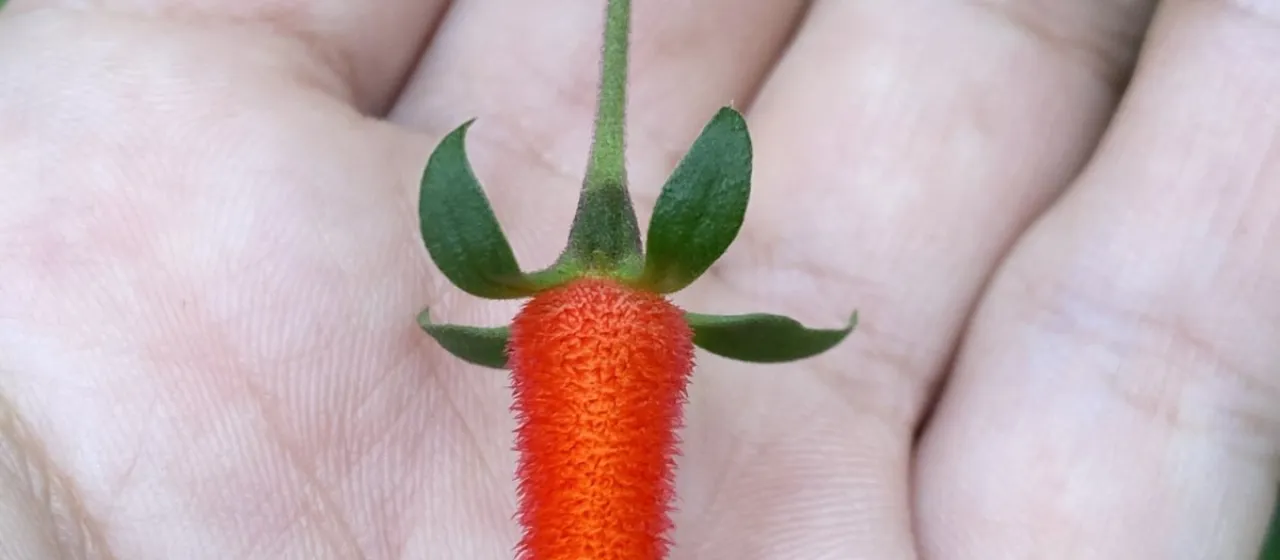
Botanically, this species is distinguished by its opposite, lanceolate leaves and tubular flowers. The vines are semi-woody and require substantial support structures to thrive. The root system is relatively shallow, which makes the plant susceptible to environmental stress if the substrate dries out excessively or becomes waterlogged.
In terms of agricultural management, Manettia paraguariensis requires a well-draining, nutrient-rich soil with a slightly acidic pH level. It favors partial shade to bright, indirect light; direct sunlight exposure can lead to leaf scorch. The climate must remain warm throughout the growing season, as even minor frost can cause permanent damage to the delicate stems.
The primary utility of the plant is in landscaping and vertical garden design, where it serves as a robust screen or ornamental feature. Disease management involves monitoring for fungal infections resulting from poor drainage, while pest control requires vigilance against sap-sucking insects like aphids. Proper spacing and airflow are essential to maintaining healthy growth.
- Maintaining high ambient humidity levels.
- Applying a balanced NPK fertilizer during the peak growing season.
- Pruning to manage density and encourage flower production.
- Ensuring effective drainage to prevent root rot.