
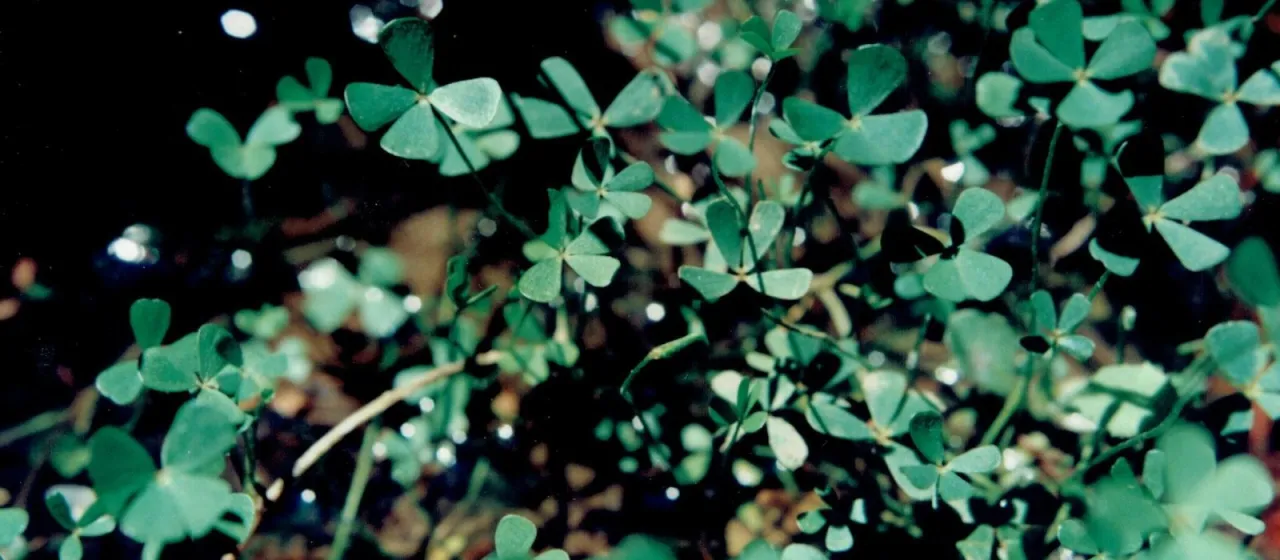
Description
Marsilea batardae is a distinct species of aquatic fern belonging to the Marsileaceae family. Known for its clover-like leaf structure, this plant is a popular subject in botanical studies and specialized aquatic landscaping. It functions as a perennial semi-aquatic plant that thrives in environments where water levels fluctuate periodically.
Native to African wetlands, this species has evolved to inhabit the interface between aquatic and terrestrial zones. Its natural habitat includes shallow river banks, ponds, and marshy areas where it forms dense colonies. This adaptation to semi-submerged environments allows the plant to survive in diverse ecological niches, provided the soil remains moist.
Botanically, Marsilea batardae is characterized by its rhizomatous growth pattern. The plant spreads via creeping rhizomes that anchor in the substrate, sending up petioles with four-lobed leaves. The production of sporocarps—specialized reproductive structures—is a key evolutionary trait that protects the plant's spores during dry seasons, allowing it to regenerate rapidly when water returns.
Cultivation requirements for this species focus on nutrient-rich, fine-grained substrates and consistent lighting. Unlike many other ferns, it requires high light intensity to maintain its characteristic compact form. Water quality should be monitored to ensure stable pH levels, as the plant is susceptible to shifts in water chemistry and excessive accumulation of organic debris.
The primary use of Marsilea batardae is ornamental, serving as a decorative ground cover in aquascaping and artificial pond systems. While not a primary agricultural crop in the traditional sense, it plays a role in wetland restoration and bio-filtration projects. Pests typically include aquatic snails that can consume foliage, while fungal rot is the most frequent pathological issue arising from poor water circulation.