
Description
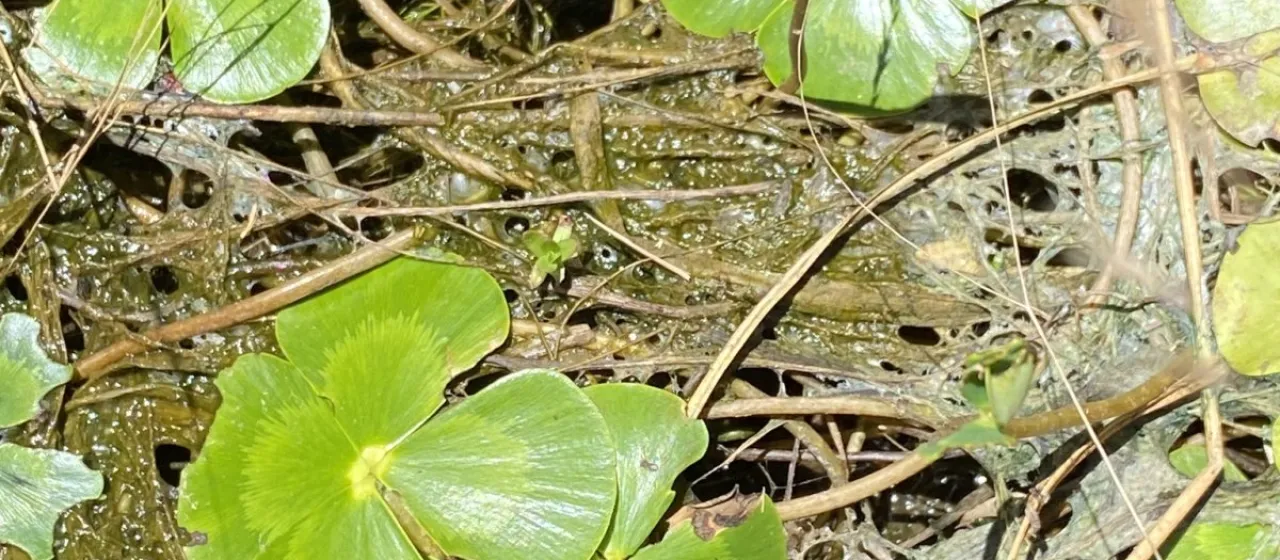
Nardoo (Marsilea drummondii) is a perennial aquatic fern belonging to the Marsileaceae family. Often referred to as Australian water clover due to its four-leaf appearance, this plant is well-adapted to the intermittent wetlands of the Australian continent, where it thrives in fluctuating water levels.
The native range of Nardoo encompasses much of arid and semi-arid Australia. Its evolutionary success lies in its ability to survive through the drying of ephemeral pools, where it retreats into a dormant state as a rhizome until the next inundation allows it to re-emerge and colonize the mudflats rapidly.
Botanically, it is characterized by creeping rhizomes that produce distinct four-parted leaflets on long petioles. The plant reproduces via sporocarps, which are resistant, bean-shaped structures that can remain dormant in the soil for several seasons, ensuring population persistence despite harsh environmental changes.
In terms of agricultural requirements, Nardoo demands full sunlight exposure and nutrient-rich, moist substrates. Ideally, the soil should maintain a neutral to slightly acidic pH. Cultivation management involves maintaining consistent moisture levels, though the plant is exceptionally forgiving of occasional dry spells compared to other aquatic species.
The plant has been used as a subsistence food source by Aboriginal Australians after meticulous preparation to remove anti-nutritional factors. In modern agricultural contexts, it is sometimes managed as fodder. Growers should watch for fungal rot within the sporocarps during stagnant water conditions and protect the foliage from leaf-eating insects to maintain high yields.
- High resilience to changing hydraulic conditions
- Effective soil stabilization properties
- Rapid vegetative propagation potential
- Ability to withstand long periods of dormancy