
Description
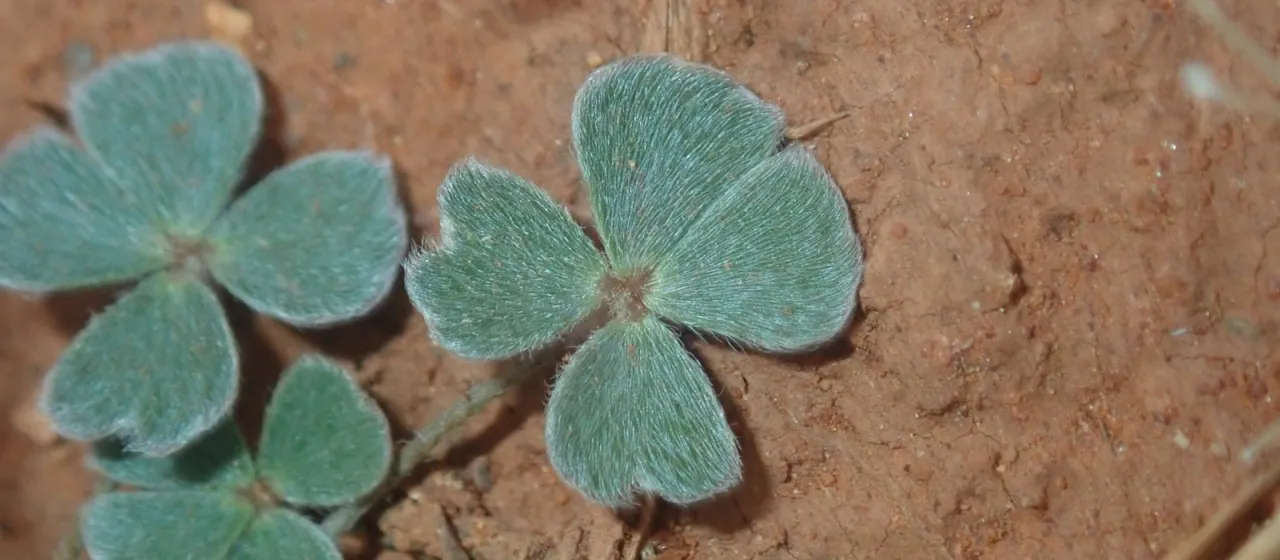
Marsilea hirsuta is an aquatic fern-like plant belonging to the Marsileaceae family. It is widely recognized for its clover-like foliage, which makes it an excellent choice for creating dense, lush carpets in aquatic environments, often used as a staple in high-end aquascaping layouts.
Native to Australia, this plant is naturally adapted to seasonal fluctuations in water levels, thriving in both submerged and semi-emerged habitats. This evolutionary history provides the plant with the robustness required to adapt to various tank parameters, making it a reliable choice for hobbyists and aquatic gardeners.
The botany of the plant is defined by its creeping rhizomes, which spread rapidly across the substrate. The leaves are morphologically plastic; under intense light, the plant tends to produce smaller, more compact, single-lobed leaves, while in low-light conditions, it grows taller, multi-lobed leaves similar to terrestrial clover.
Successful cultivation requires a nutrient-rich substrate and consistent light levels. While the plant is generally hardy, it responds exceptionally well to CO2 supplementation and regular fertilization, which help maintain the dense, low-growing growth habit desired by aquascapers. Propagation occurs naturally as the plant sends out runners along the bottom.
- Requires moderate to high light for compact growth.
- Thrives in temperatures between 20°C and 28°C.
- Benefits from nutrient-dense, fine-grained substrate.
- Tolerates a wide range of pH and water hardness levels.
In terms of health management, Marsilea hirsuta is highly resilient. It rarely suffers from biological pests in submerged conditions. However, it can be susceptible to algae accumulation if light intensity is too high without adequate nutrient balancing, requiring careful monitoring of the water chemistry to keep the foliage clean and healthy.