
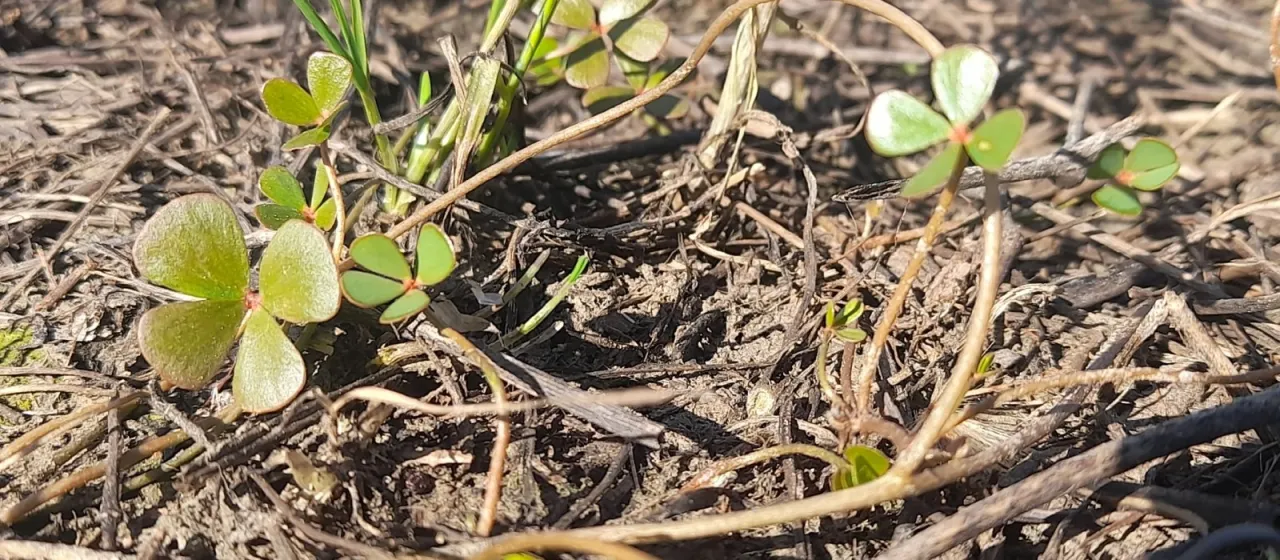
Description
Marsilea strigosa, commonly known as the bristly marsh fern, is a perennial spore-bearing plant belonging to the Marsileaceae family. Despite its clover-like appearance, it is a true aquatic fern characterized by thin, creeping rhizomes and a remarkable ability to thrive in both submerged and amphibious conditions.
The plant's natural range is primarily situated in the Mediterranean basin, the Caucasus, and parts of Southwest Asia. It is typically found in habitats subject to seasonal water fluctuations, such as the margins of shallow pools, marshes, and agricultural wetlands where the soil undergoes cycles of inundation and subsequent drying.
Botanically, the species is distinguished by its four-lobed leaves borne on elongated petioles. A key feature of its biology is leaf plasticity: the fern alters the morphology of its fronds based on water depth and light availability. The reproductive cycle involves the formation of sporocarps, which survive dry periods buried within the substrate until favorable conditions return.
Cultivation requirements for Marsilea strigosa involve maintaining high soil moisture levels and providing bright, diffuse light. The plant thrives in neutral to slightly alkaline, nutrient-rich soil. Effective management requires constant monitoring of water levels to prevent the roots from drying out while ensuring proper aeration to maintain plant health.
In terms of practical use, the species is primarily valued in aquatic gardening and landscape architecture for creating naturalistic riparian zones. Due to its status as a rare and protected species in many parts of its range, the cultivation and propagation of this fern are critical for conservation efforts and for maintaining biological diversity in artificial water habitats.