
Description
Creeping mazus (Mazus reptans) is a low-growing perennial herbaceous plant classified within the Phrymaceae family. It is a vigorous, mat-forming species that rarely exceeds 2–3 inches in height, making it an excellent choice for ground coverage in small-scale landscaping.
The plant originates from the mountainous regions of the Himalayas and parts of East Asia. In cultivation, it has become a staple for gardeners seeking a hardy, carpet-like cover that spreads via creeping stems that root easily at the nodes, creating a dense, weed-suppressing mat across the soil surface.
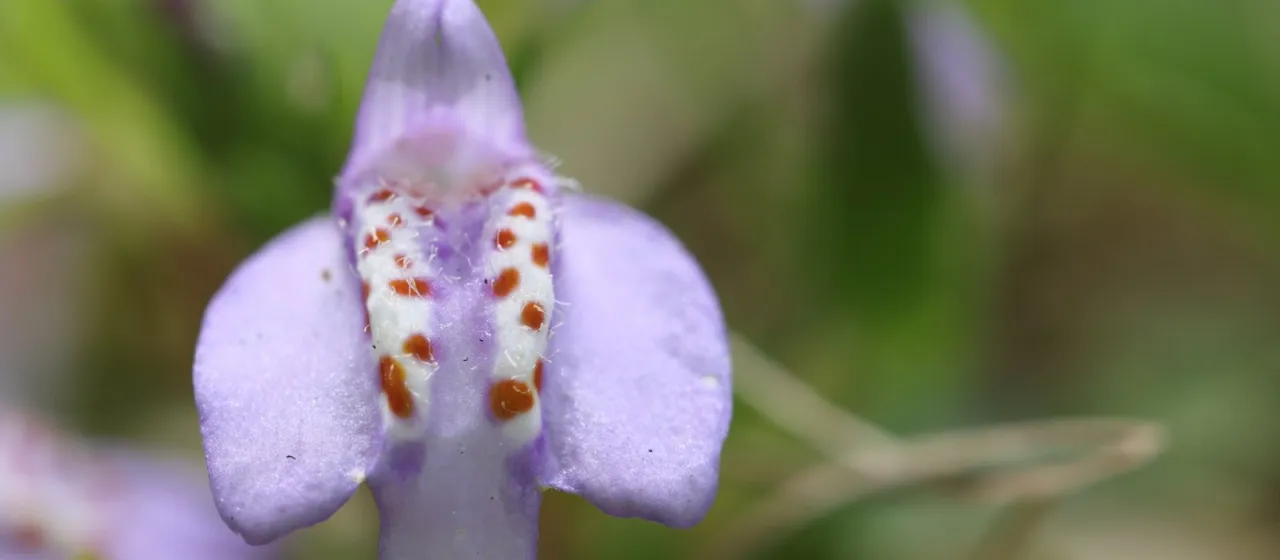
Botanically, creeping mazus is known for its light green, serrated, spatula-shaped leaves that remain lush throughout the growing season. The highlight of the plant is its spectacular bloom, typically occurring in late spring to mid-summer, when it produces tubular, two-lipped flowers in shades of purple, violet, or white, often featuring striking yellow or white centers.
Cultivation requirements for this species include moist, well-draining, and nutrient-rich soil. It thrives in locations ranging from full sun to partial shade, although it performs best in cooler climates or sheltered spots during extreme summer heat. Consistent moisture is crucial for its establishment; therefore, regular irrigation during dry spells is mandatory for healthy development.
Regarding its utility, creeping mazus is highly valued for rock gardens, between flagstones on pathways, and along the edges of ponds. Despite its resilience, gardeners should be vigilant against pests like slugs and snails which find the tender foliage attractive. Additionally, ensuring proper soil drainage is essential to prevent root rot, which is the most common health issue for this species in overly saturated environments.