
Description
Creeping Mazus (Mazus surculosus) is a herbaceous perennial belonging to the Phrymaceae family. It is widely recognized in horticulture for its rapid growth habit and ability to form dense, lush mats of foliage. As a low-growing plant, it is an excellent choice for ground coverage where a carpet-like appearance is desired.
The native range of this species is situated in the mountainous regions of the Himalayas, extending across parts of India and China. Its natural habitat includes moist alpine meadows and riverbanks, which defines its preference for temperate climates, high humidity, and protection from extreme heat or prolonged drought conditions.
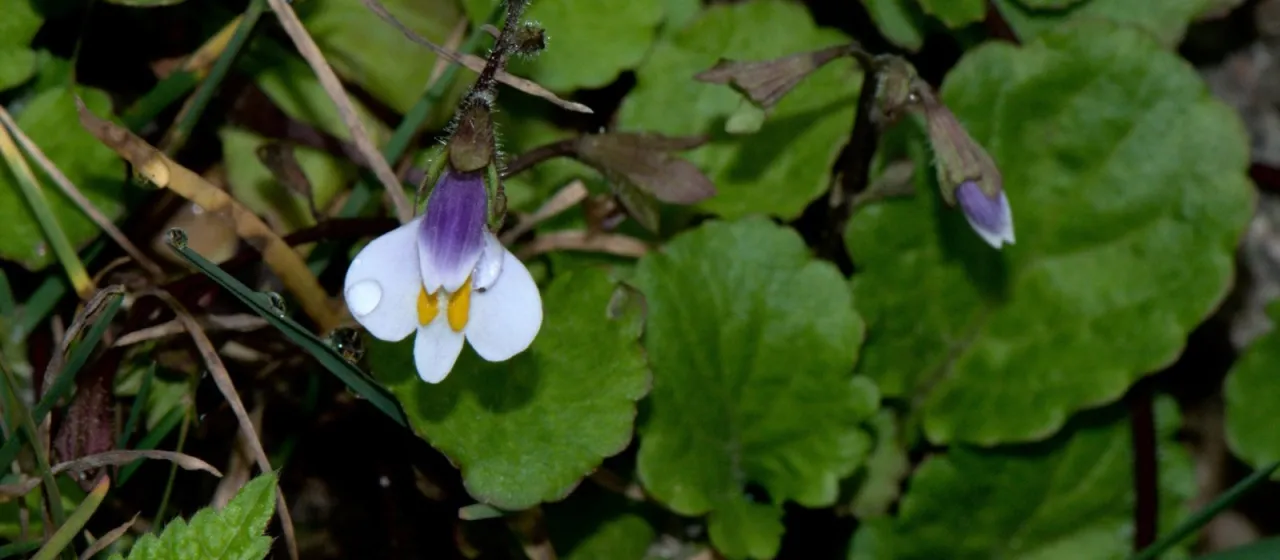
Botanically, Mazus surculosus is characterized by prostrate stems that root at the nodes upon contact with moist soil, facilitating easy vegetative spread. Its leaves are oblong with serrated edges, forming a compact rosette structure. During its peak blooming season, the plant produces attractive, small, tubular flowers, typically exhibiting shades of violet or lilac with distinctive, bright markings on the lower petal lip.
The agronomy of this crop focuses on providing ideal moisture and soil conditions. The plant thrives in well-drained, humus-rich soil that retains consistent moisture without becoming waterlogged. While it tolerates full sun in cooler regions, it generally performs best in partial shade, where the foliage maintains its vibrancy and the soil does not dry out as quickly.
Its primary use is in landscape architecture, where it serves several practical and aesthetic purposes:
- Acting as a durable living mulch for flower beds.
- Softening the edges of stone pathways and patio stones.
- Providing ground cover in rock gardens or around ornamental water features.
- Serving as an erosion control measure for small, moist embankments.
Pest management is a critical aspect of maintenance, as slugs and snails are particularly attracted to the dense, moist mats provided by the foliage. Furthermore, gardeners should monitor for signs of fungal root rots, which are the most common issue occurring when soil aeration is poor or drainage is inadequate, making site selection crucial for plant longevity.