
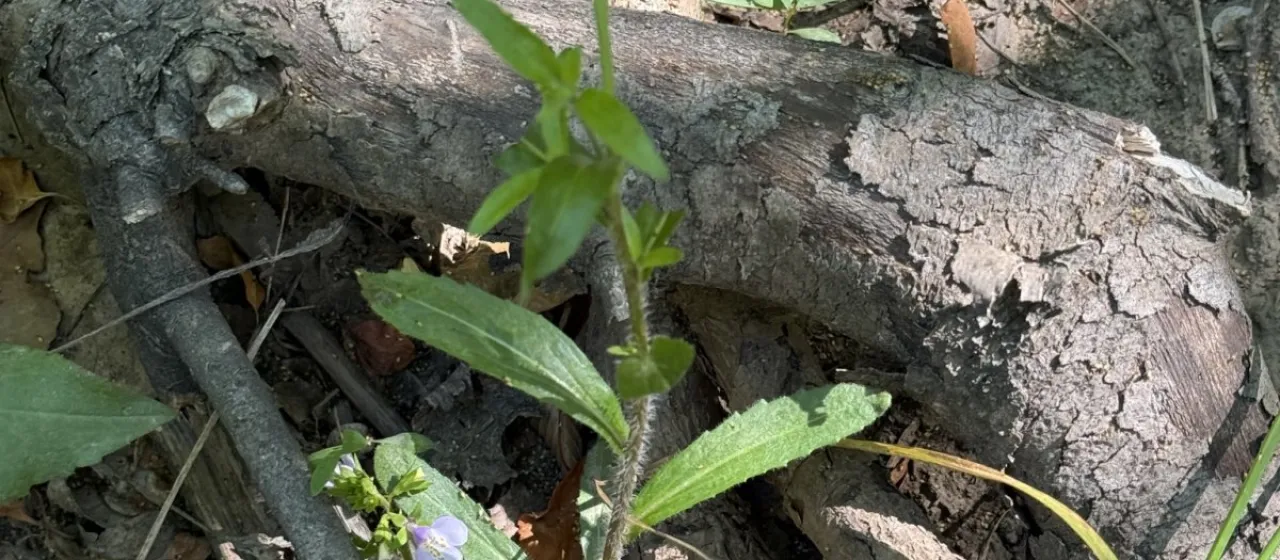
Description
Mazus stachydifolius is a perennial herbaceous plant belonging to the Phrymaceae family. Within the context of horticulture and landscape agronomy, it is highly regarded for its ability to form a dense mat of foliage, effectively serving as an ornamental groundcover that requires minimal maintenance once established.
The plant originates from East Asia, specifically regions including China and Japan, where it naturally thrives in moist habitats such as wet meadows and riverbanks. This historical background provides critical insight into its physiological needs, as it performs best in environments where moisture levels are consistently high throughout the growing season.
Botanically, Mazus stachydifolius is characterized by its prostrate habit, where stems creep along the ground and readily root at the nodes. The leaves are typically lanceolate to ovate, with a textured surface reminiscent of those in the genus Stachys. The flowers, appearing in the summer, feature a distinctive two-lipped structure typical of the family, often appearing in shades of violet or blue.
Successful cultivation requires a location with rich, moisture-retentive soil. While it can tolerate full sun in cooler climates, it typically prefers partial shade, especially in warmer regions. Agrotechnical management should focus on preventing the soil from drying out, particularly during the establishment phase, to ensure the dense, spreading habit the plant is known for.
The primary economic and practical use of this species is in decorative landscaping. It is an excellent choice for:
- Filling gaps in moist garden borders.
- Stabilizing soil around the margins of water features.
- Providing a low-maintenance, weed-suppressing groundcover for shaded areas.