
Description
Viscous sandwort (Minuartia viscosa) is an annual herbaceous plant belonging to the Caryophyllaceae family. While not a conventional major crop, it is a significant botanical species often found in wild habitats adjacent to agricultural landscapes, providing essential data for studies on plant adaptation in nutrient-poor ecosystems.
Originating primarily from the Mediterranean region and parts of Central Europe, this species has adapted to a wide range of climates characterized by dry summers and cold winters. It typically thrives in open, sunny locations, such as rocky outcrops, sandy soils, and sparsely vegetated grasslands where competition from more vigorous, tall species is minimal.
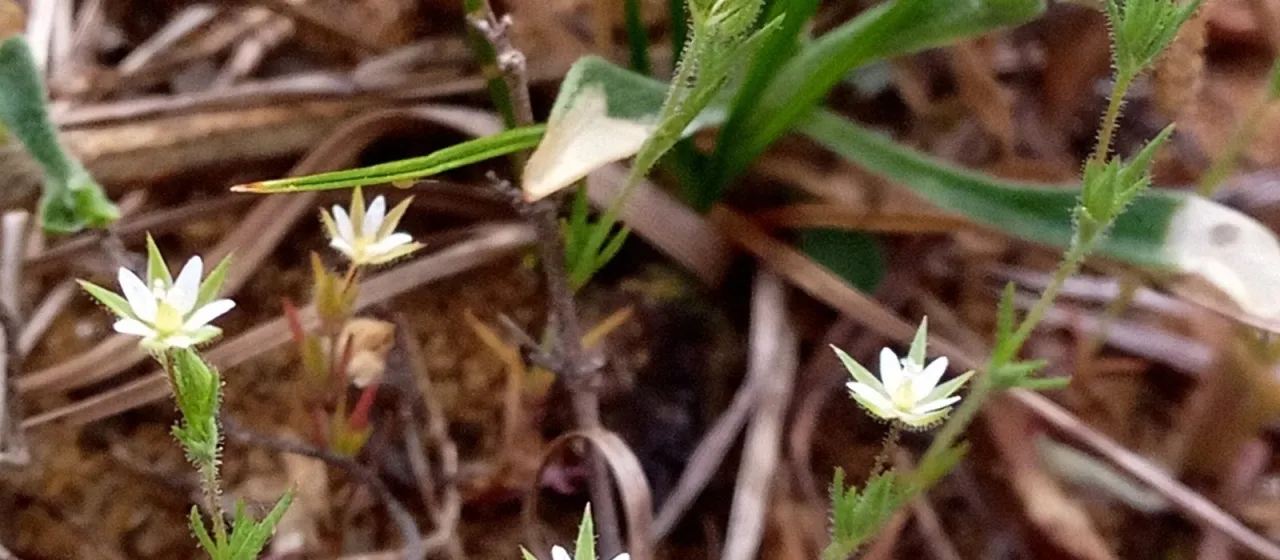
The botanical structure of the plant features stems covered in glandular hairs that secrete a sticky substance, which serves as a protective mechanism against drought and herbivory. Its leaves are narrow and opposite, while the small, white flowers are arranged in delicate, loose clusters. The root system is shallow, reflecting its evolutionary preference for porous, well-drained soil profiles.
Cultivation or maintenance of Viscous sandwort requires strict adherence to its ecological niche requirements. It thrives best in sandy, gravelly, or rocky soil with a neutral to alkaline pH. The plant is highly sensitive to waterlogging and does not tolerate high-nitrogen fertilizers, which can lead to rapid fungal growth and the collapse of the plant population under competitive pressure.
Regarding its agricultural utility, Viscous sandwort is generally considered a minor botanical interest rather than a forage or industrial crop. However, its resilience to extreme abiotic stress makes it a candidate for research in land reclamation and biodiversity restoration projects. Potential threats include soil compaction and competition from invasive weed species, as well as common Caryophyllaceae pathogens like rusts and leaf spots.