
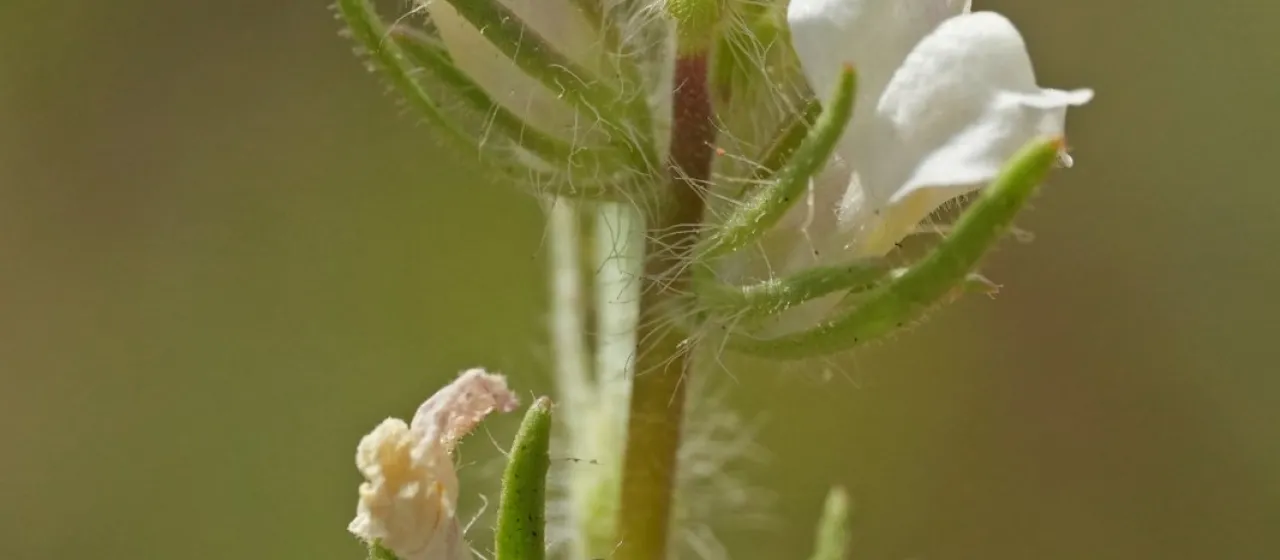
Description
Misopates salvagense is a rare plant species belonging to the Plantaginaceae family. While not a commercial staple crop, it serves as a valuable subject for agricultural and botanical research, particularly in the study of endemic flora that has adapted to harsh, isolated island environments.
The plant is native to the Salvage Islands (Ilhas Selvagens), a remote archipelago in the North Atlantic. Due to its restricted natural range, the species has evolved distinct survival strategies, allowing it to thrive in nutrient-poor soils and under the influence of strong maritime winds, which is of great interest to plant physiologists.
Botanically, Misopates salvagense exhibits compact growth with specialized foliage designed for water retention. The plant structure is adapted to the rocky substrate of its native habitat, featuring a resilient root system that can efficiently source limited moisture, which is a key trait for potential selective breeding programs.
Agricultural management for this species is highly specialized. Cultivation requirements include:
- Highly porous, well-draining soil mixtures (loam mixed with gravel).
- High intensity of solar radiation throughout the day.
- Strict moisture control to prevent root rot, as the species is adapted to semi-arid conditions.
The primary use of this crop is currently limited to conservation biology and experimental horticulture. Agronomists focus on maintaining genetic diversity and understanding its resistance to pathogens. Common health issues in controlled environments include susceptibility to fungal pathogens caused by improper humidity levels and potential infestations by specific insects that thrive in mild, maritime climate conditions.