
Description
Monoon longifolium, commonly known as the Mast tree or Indian fir, is a tall, evergreen tree belonging to the Annonaceae family. It is widely recognized for its elegant, slender, columnar growth habit, which makes it a popular choice for structured landscaping and urban planning throughout tropical regions.
The tree is native to India and Sri Lanka, thriving in warm, humid climates. Its natural habitat includes tropical rainforest zones, but it has been successfully introduced to other tropical areas worldwide, particularly in Southeast Asia and parts of the Caribbean, where it is valued for its rapid growth and architectural form.
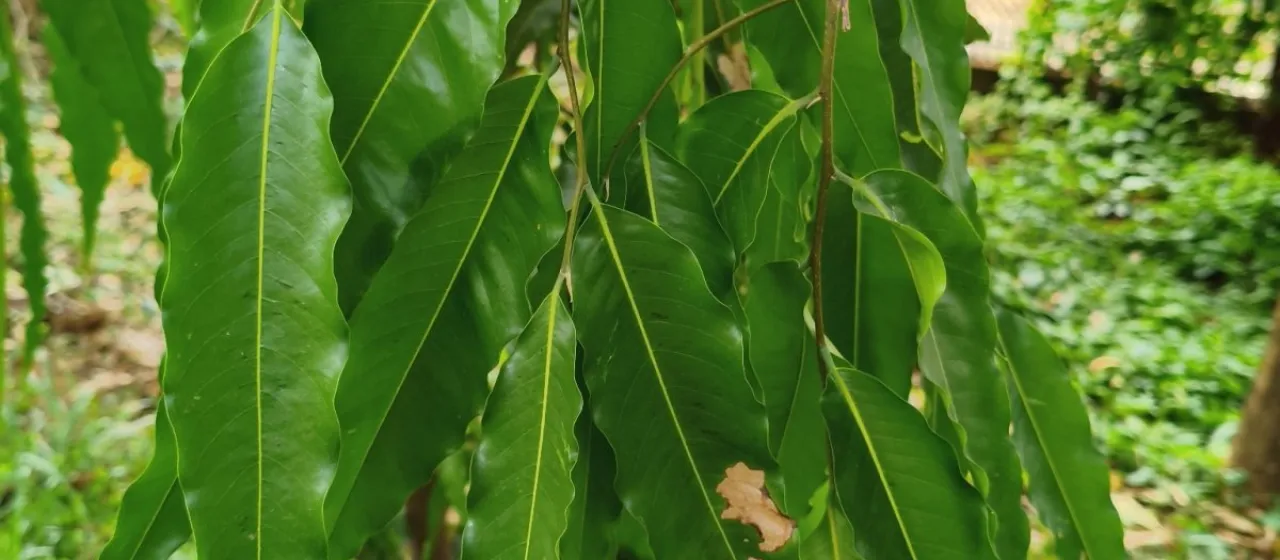
Botanically, the tree features long, lanceolate, glossy leaves with wavy margins. The foliage is densely packed, providing excellent screening and sound-buffering properties. Small, star-shaped yellow-green flowers bloom periodically, followed by clusters of dark, egg-shaped fruits that serve as a food source for local bird populations.
For optimal growth, Monoon longifolium requires full sunlight and well-drained, fertile soil. It is relatively drought-tolerant once established but performs best with regular irrigation during dry seasons. While it is generally low-maintenance, protection from frost is essential, as the species is not cold-hardy and will suffer damage in freezing temperatures.
- Excellent choice for noise and dust abatement in urban areas.
- Rapid vertical growth suitable for narrow spaces.
- Resistant to most common tree pests and diseases.
- Provides significant shade due to its dense canopy.
In terms of хозяйственное (economic) utility, the tree has traditionally been prized for its timber. The wood is exceptionally flexible and strong, which historically led to its use in crafting masts for sailing vessels. Today, its primary value is aesthetic, serving as an iconic element in landscape architecture and park management.