
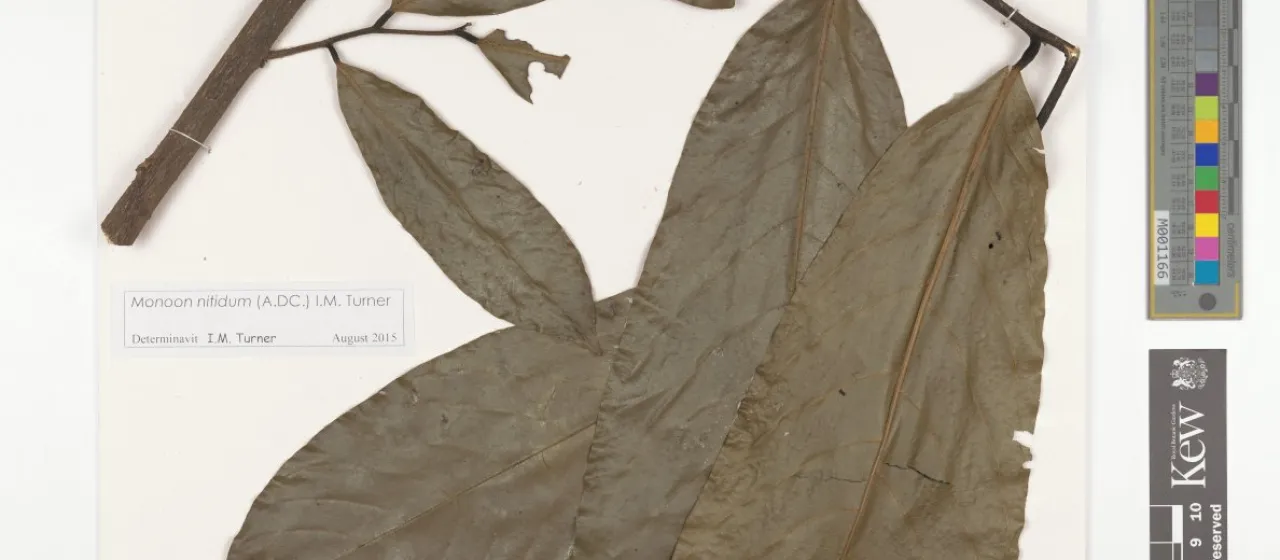
Description
Monoon nitidum is an evergreen woody species belonging to the Annonaceae family. Historically associated with the genus Polyalthia, this plant is now recognized within the Monoon genus based on phylogenetic studies. It is characterized by a dense, attractive canopy and is widely regarded as a significant ornamental specimen in its native habitat.
The origin of this culture is rooted in the tropical rainforests of Southeast Asia. It thrives in regions characterized by high humidity, abundant annual rainfall, and warm temperatures that persist throughout the entire year. Being a tropical species, it lacks tolerance for frost, making its cultivation restricted to specific climatic zones or controlled environments like greenhouses.
From a botanical perspective, the plant features glossy, leathery leaves arranged in an alternate pattern along the stems. The flowers typically exhibit the complex structural traits of the Annonaceae family, often presenting with creamy or greenish-yellow petals. The fruit development is unique, resulting in clusters of berries that are essential for the dispersal of the species in its natural ecosystem.
Cultivation requirements necessitate a well-draining, nutrient-rich soil medium. It is sensitive to waterlogging, so irrigation must be carefully managed to maintain optimal soil moisture without causing root asphyxiation. In terms of light exposure, the plant benefits from partial shade, as prolonged exposure to harsh, direct sunlight can diminish the quality of its foliage and overall vigor.
The primary use of Monoon nitidum is in landscaping and urban greening, where its aesthetic properties are highly valued. Regarding plant health, cultivators should monitor for common tropical pests such as scale insects and spider mites. Effective management involves integrated pest control strategies and maintaining soil health to prevent fungal diseases that are prevalent in high-humidity conditions.