
Description
Himalayan whorlflower (Morina nepalensis) is a perennial herbaceous plant belonging to the Caprifoliaceae family. It is distinct for its architectural form, often confused with thistle due to its prickly foliage, yet it remains a highly prized specimen for alpine and rock garden enthusiasts.
This species originates from the high-altitude regions of the Himalayas, naturally occurring in Nepal, India, and parts of China. It is adapted to life on open mountain slopes and alpine meadows, which dictates its preference for specific ecological niches characterized by fresh air, high light levels, and well-drained soils.
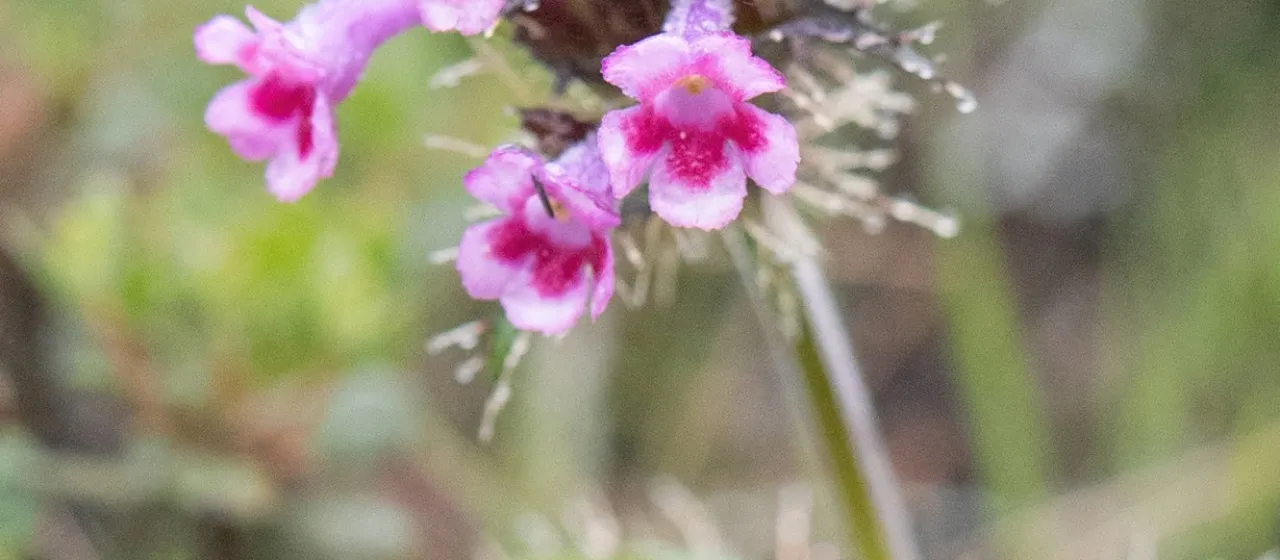
Botanically, the plant develops a rosette of serrated, needle-like leaves. Its most striking feature is the tall flowering spike, where flowers are arranged in dense whorls. These blossoms transition through subtle color shifts, typically starting pale and darkening to deep pink or purple, often emitting a pleasant, mild fragrance during the blooming season.
Cultivation requirements for Morina nepalensis center on drainage. It thrives in gritty, rocky soils that prevent any winter moisture from accumulating around the root crown, which is the most critical factor for its survival. While it enjoys a cool summer, it requires plenty of sunlight to bloom effectively and should be protected from harsh, waterlogged soil conditions.
In terms of practical use, the plant is almost exclusively utilized in decorative horticulture. Its structural beauty makes it an excellent choice for rock gardens and specialized alpine beds. Historically, some indigenous cultures have utilized parts of the plant in traditional medicine, but in modern agriculture, it remains a purely ornamental, slow-growing specialty crop.
Pest and disease management involves monitoring for aphids during hot, dry spells and preventing root rot. The latter is best controlled by ensuring the substrate remains lean and well-draining, mimicking the mountain scree of its native habitat. Regular weeding around the plant is essential, as it competes poorly with aggressive ground covers.