
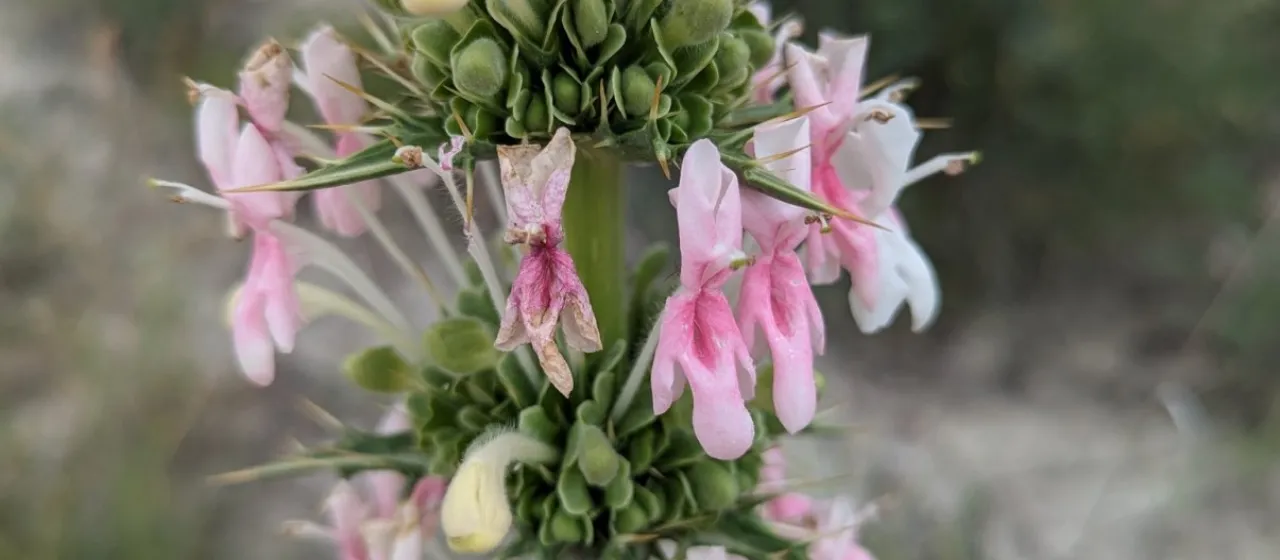
Description
Persian Morina (Morina persica) is a perennial herbaceous plant belonging to the Caprifoliaceae family. It is widely recognized for its unique, thistle-like appearance and is increasingly gaining attention in both decorative gardening and potential pharmacological research due to its secondary metabolites.
The plant originates from the mountainous regions of the Caucasus, Turkey, Iran, and Central Asia. These regions are characterized by rocky, well-drained slopes and high solar intensity, which define the plant's ecological preferences and its high resilience to harsh environmental conditions.
Botanically, Persian Morina is defined by a basal rosette of prickly, pinnately lobed leaves. During the blooming phase, it produces tall, sturdy spikes featuring tubular, whorled flowers. These blossoms typically transition in color, often starting as white or pale pink and darkening as they mature, providing a distinct visual appeal.
The cultivation of Morina persica requires specific soil conditions, primarily focusing on alkalinity and excellent drainage. The plant thrives in poor, rocky soils and is highly intolerant of waterlogged environments, which frequently lead to root rot. It is classified as a drought-tolerant crop once established, making it suitable for low-maintenance landscaping.
- Strong tolerance to high solar exposure.
- Requirement for neutral to alkaline soil pH.
- Susceptibility to root pathogens in damp soils.
- Excellent performance in xeriscaping conditions.
When managing this crop, primary concerns include monitoring for root rot, which is common in over-irrigated or heavy-clay fields. Pests such as aphids and spider mites may also affect the foliage during hot, dry spells. Effective management involves ensuring proper spacing for air circulation and implementing prophylactic pest control measures.