
Description
Muehlenbeckia sagittifolia, commonly known as the arrowhead vine, is a perennial shrubby climber belonging to the Polygonaceae family. This species is recognized for its distinct arrow-shaped foliage and aggressive climbing habit, which allows it to colonize vertical spaces effectively in favorable environments.
The plant originates from South America, with a natural range encompassing regions such as Argentina, Uruguay, and Brazil. It thrives in temperate and subtropical climates, typically occupying riparian zones and forest edges. Its biological adaptation to these habitats makes it a resilient choice for regions with similar environmental parameters.
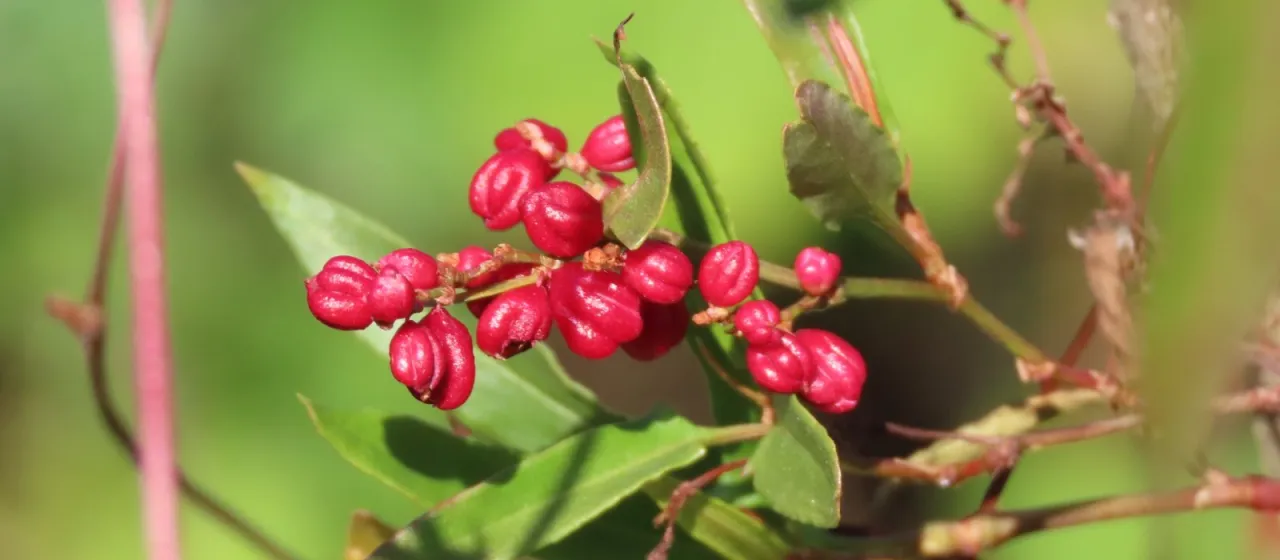
Botanically, it is characterized by slender, woody stems that support its climbing growth pattern. The leaves are sagittate in shape, providing a dense canopy cover. Small, clustered flowers emerge during the growth season, which may later develop into small, fleshy fruits, reflecting the typical reproductive strategies of the genus.
In terms of agricultural requirements, Muehlenbeckia sagittifolia demands well-drained, nutrient-rich soil to reach its full vegetative potential. While it can withstand moderate drought, consistent moisture levels are essential for optimal health. Farmers and growers should monitor for common pests such as aphids and spider mites, particularly in protected or greenhouse cultivation environments.
The primary economic and practical application of this crop is in ornamental horticulture, specifically for vertical landscaping and erosion control on embankments. Its rapid growth rate and structural stability under proper support make it a valuable asset for greening projects and soil stabilization in specific ecological restoration efforts.