
Description
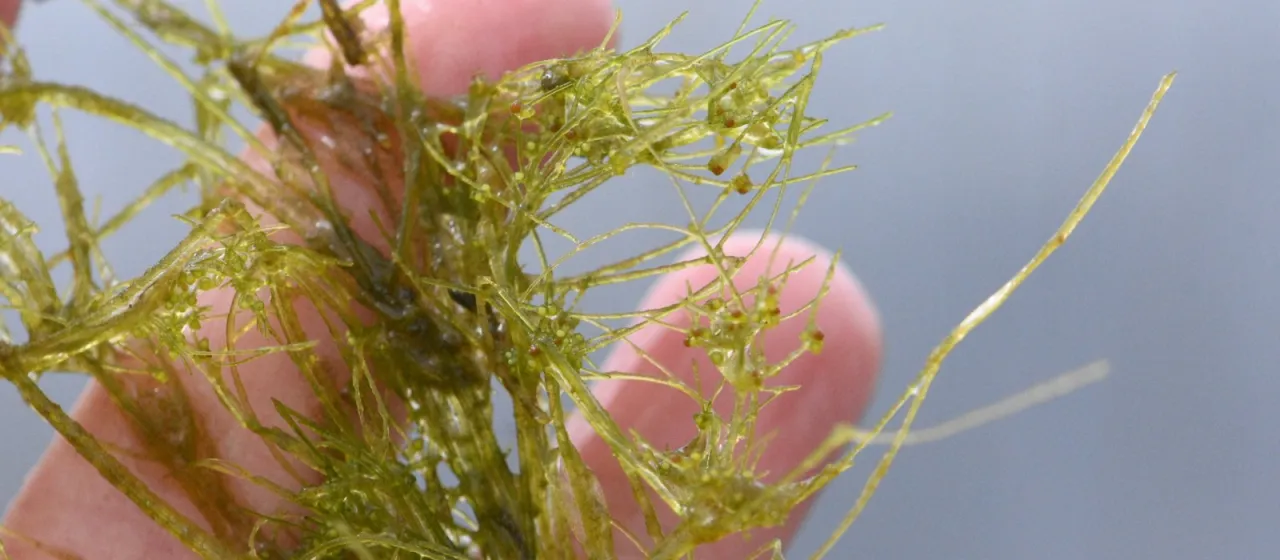
Nitella flexilis is a species of charophyte algae belonging to the Characeae family. Often referred to as stonewort, this macroalgae is valued not for commercial harvesting as a traditional crop but for its significant role in biofiltration, academic research, and aquarium landscaping, where it serves as a sensitive indicator of water health.
The species has a cosmopolitan distribution, thriving in freshwater ecosystems across Europe, Asia, and North America. It prefers stagnant or slow-moving water bodies with clear, nutrient-poor, or moderately oligotrophic conditions. In nature, it creates extensive underwater carpets that provide essential structural complexity and oxygenation for freshwater habitats.
Botanically, Nitella flexilis is distinguished by its delicate, whorled structure and the absence of a "cortex" on its branches, which gives it a smooth and flexible texture. The plant lacks true roots, utilizing instead rhizoids to anchor into soft substrates. Its cells are famous in plant physiology for their ability to demonstrate cytoplasmic streaming, making them a common laboratory subject.
Cultivation requirements involve maintaining pristine water quality. Unlike many vascular plants, Nitella flexilis absorbs nutrients directly from the water column and the substrate through its entire surface. It requires stable temperatures, moderate light intensity to prevent excessive epiphytic algal growth, and a substrate rich in organic matter but low in disruptive pollutants.
Practical use cases for this algae focus on:
- Advanced biological filtration systems for aquaculture;
- Restoration of degraded aquatic environments;
- Scientific and educational research on plant cell biology;
- Decorative aquarium planting that mimics natural stream beds.
The primary threats to Nitella flexilis populations include water pollution and excessive eutrophication, which trigger the growth of competing filamentous algae. Prevention of disease requires maintaining a stable water chemistry and avoiding the introduction of herbicides or aggressive aquatic pathogens, which can lead to the rapid disintegration of the algae's fragile stems.