
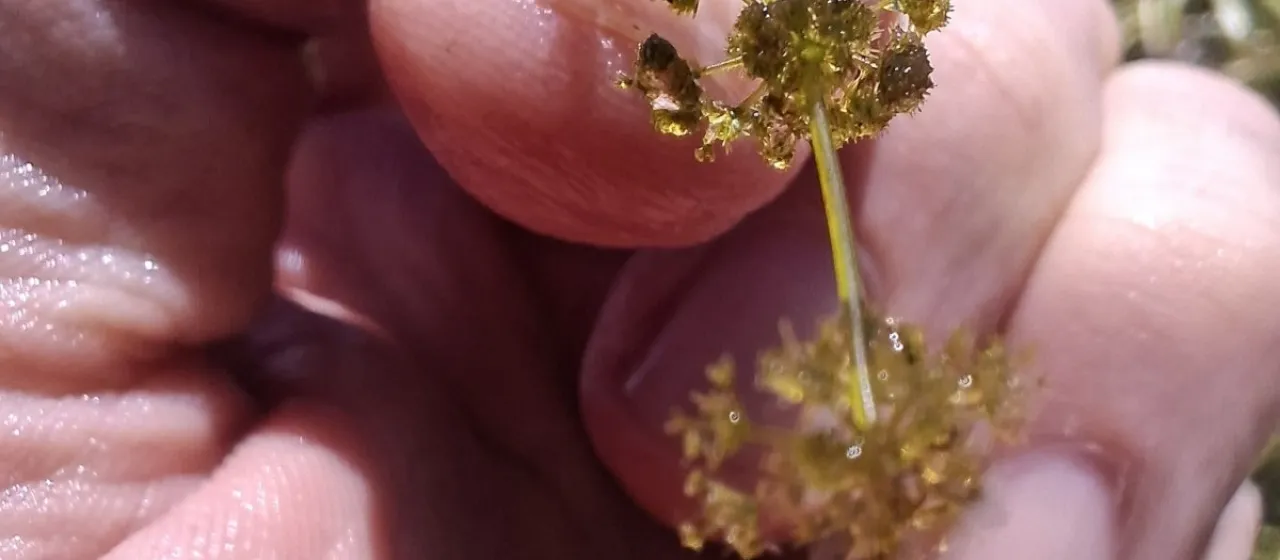
Description
Nitella hyalina is a species of macroscopic green algae belonging to the family Characeae. Although it is not a traditional field crop, it serves as an essential botanical resource in aquatic agriculture, bio-filtration systems, and environmental restoration projects, acting as a key indicator of high-quality freshwater habitats.
This species is globally distributed, naturally occurring in fresh and slightly brackish water bodies across temperate and tropical zones. It typically thrives in shallow, clear, and calm waters with sandy or muddy substrates, where adequate sunlight penetration is available to fuel its metabolic processes and biomass accumulation.
Botanically, Nitella hyalina exhibits a complex thallus structure composed of whorled branches emerging from nodes along a central stem. Unlike true vascular plants, it lacks roots and relies on anchoring rhizoids. The species is characterized by its delicate, translucent appearance, which makes it distinct from more robust members of the charophyte family.
Cultivation requirements for this alga are strict, emphasizing the need for stable hydrochemical conditions. It prefers a neutral to slightly alkaline pH and low levels of turbidity. Agricultural practices for managing this species focus on monitoring the water's nutrient load, as excessive nitrates or phosphates can trigger the overgrowth of competing opportunistic algae, which may suffocate the Nitella beds.
In terms of хозяйственное (economic) utilization, Nitella hyalina is highly valued for its role in wastewater treatment and as a nursery plant in fish farming, providing shelter and a micro-ecosystem for juvenile fish and invertebrates. It effectively extracts excess minerals from the water column, contributing to better ecological health in aquaculture ponds and managed wetlands.
- High sensitivity to industrial pollutants.
- Important role as a dissolved oxygen producer.
- Effective natural bio-filter for aquatic systems.